 Home

 Creators
 Search
 Recent
 Random
 Posts
 DMs
 Tags
 Random
 Importer
 Import
 FAQ
 Account
 Register
 Login
 Favorites
 Keys
 Logout
 Telegram

Preview: Evolution of Team Oyama (Patreon)
Content
UFC 40 is the event that showed then owners, the Fertitta brothers, that the promotion had a real future. The UFC was hemorrhaging money; luckily for all involved, Tito Ortiz vs. Ken Shamrock was the headliner they needed at the time. Ken Shamrock had jumped ship earlier in his career to become a bona fide star in the WWE, and Tito Ortiz was developing his unique style of trash talk to garner more fans. The fight itself was pretty one-sided—Ortiz dominated Shamrock on the ground and the feet. Look carefully at Ortiz’s corner and you’ll see a familiar face—Colin Oyama. That’s right, the man behind the recent ascension of Alex Perez and Marlon Vera has been involved in MMA for a long time. Think back to UFC 40, how many of the coaches working that event are still in the fight game? John Hackleman still runs his academy but has shifted to training mostly non-fighters and rightwing milita. Pat Miletich and his organization, the Miletich Fighting Systems, is all but gone now that Miletich has switched over to commentating and spouting conspiracy theories full time. When it comes to coaches that are still operating at a high level, Oyama is in very limited company.
How is it that Oyama has stayed relevant all these years? To understand his continued success, it’s important to establish his baseline level as a coach. When Oyama first got in the fight game, his base was muay Thai with an emphasis on incorporating it into MMA. His early students were Tito Ortiz and Ricco Rodriguez, both of whom wore UFC gold around their waist, as well as Rampage Jackson when he was building momentum over in PRIDE. What do all three fighters have in common? Their wrestling backgrounds. As former high school wrestlers who were transitioning to MMA, they found Oyama to be the perfect coach for them to learn striking. As a former high school wrestler himself, Oyama was able to make a connection with all three and help them learn the basics of muay Thai. Looking back at their striking with current MMA knowledge, it’s clear that none of them were savants on the feet. But during their prime, it was clear that they had enough knowledge to be dangerous enough standing and could always rely on their wrestling to save them if they were in tough spots.
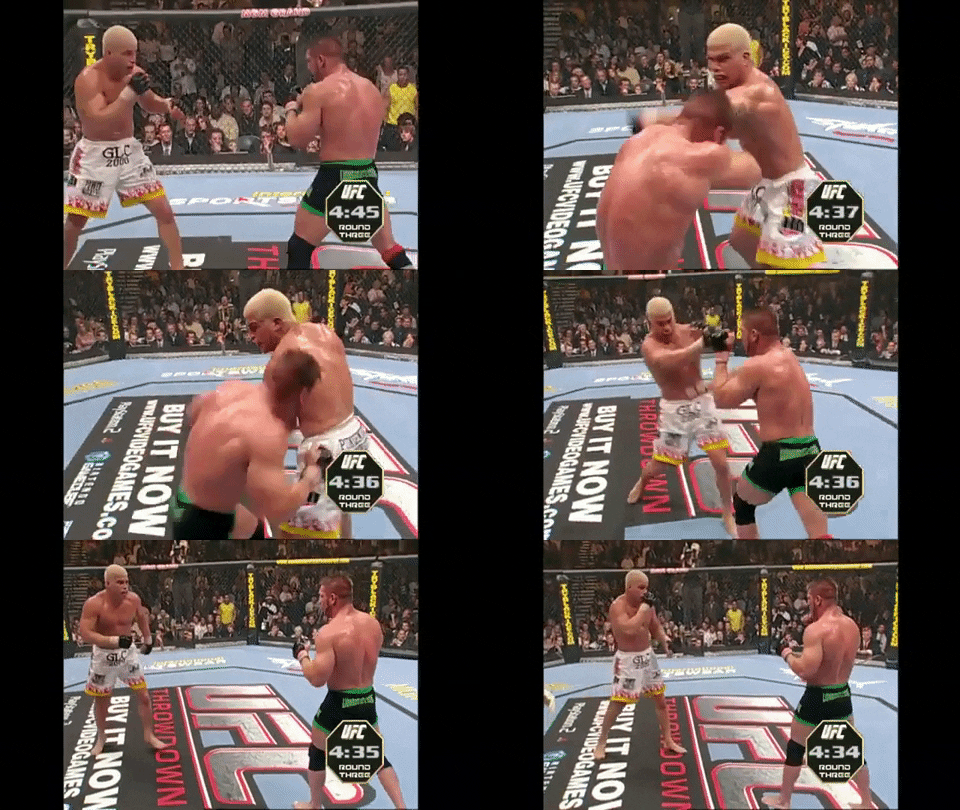
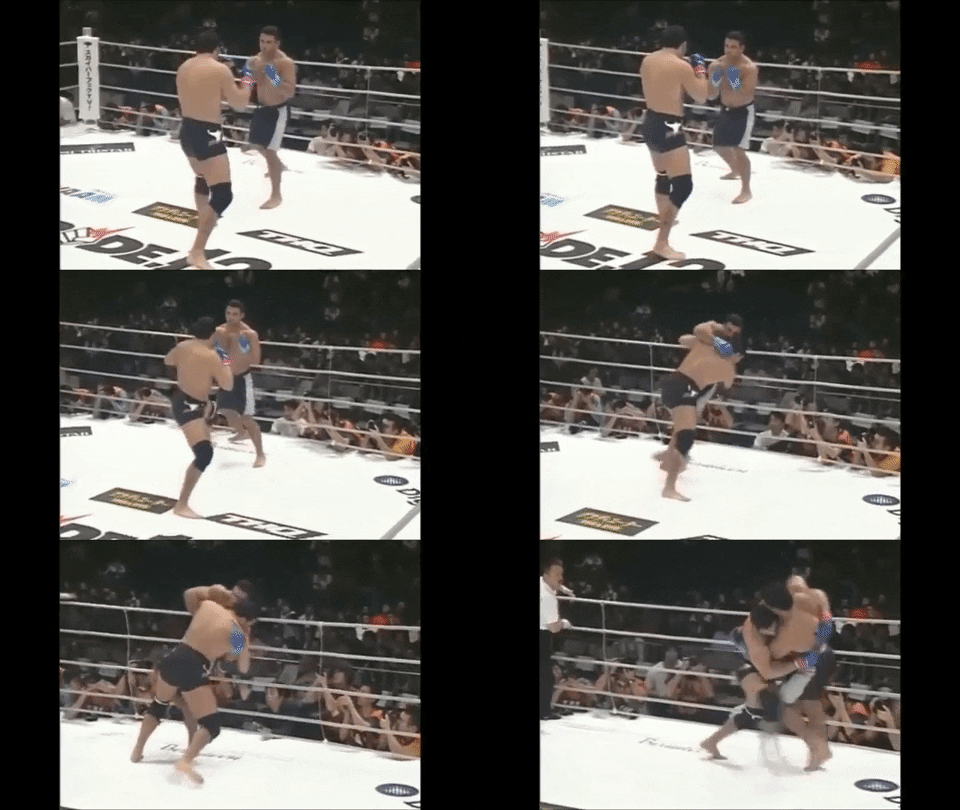
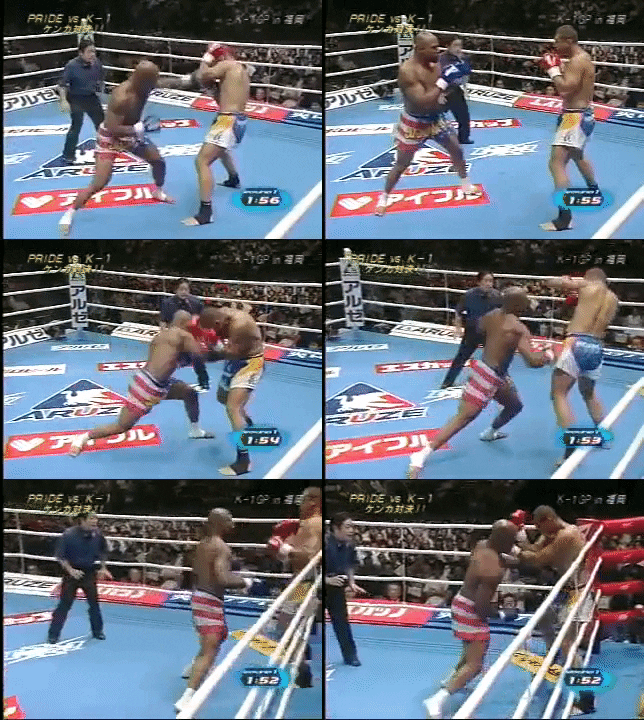
(Tito Ortiz, Ricco Rodriguez, and Rampage Jackson are all known for their grappling heavy styles, but they weren’t terrible on their feet.)
Another thing all these men had in common was their size. The light heavyweight and heavyweight division still don’t have a deep pool of striking talent to draw from. With a decent jab and some well-timed hooks, you could get pretty far in both weight classes. Despite getting Ortiz and Rodriguez to championship heights and getting Jackson a shot at the PRIDE title, Oyama was eventually let go of his coaching services from all three men. It’s no secret that even if he had been a good trainer, he wasn’t the best cornerman. Look back at the advice he would give Jackson during his two fights against Wanderlei Silva and Mauricio “Shogun” Rua. Outside of the occasional, “come on, Rampage!” or “work through it”, or his advice to Tito Ortiz when he was getting outwrestled by Randy Couture, “Hit him with the big knee,” it was clear that Oyama wasn’t the strategic mastermind that could adjust mid-fight. Luckily for him, he had one ex-fighter come back to him—Rob McCullough.
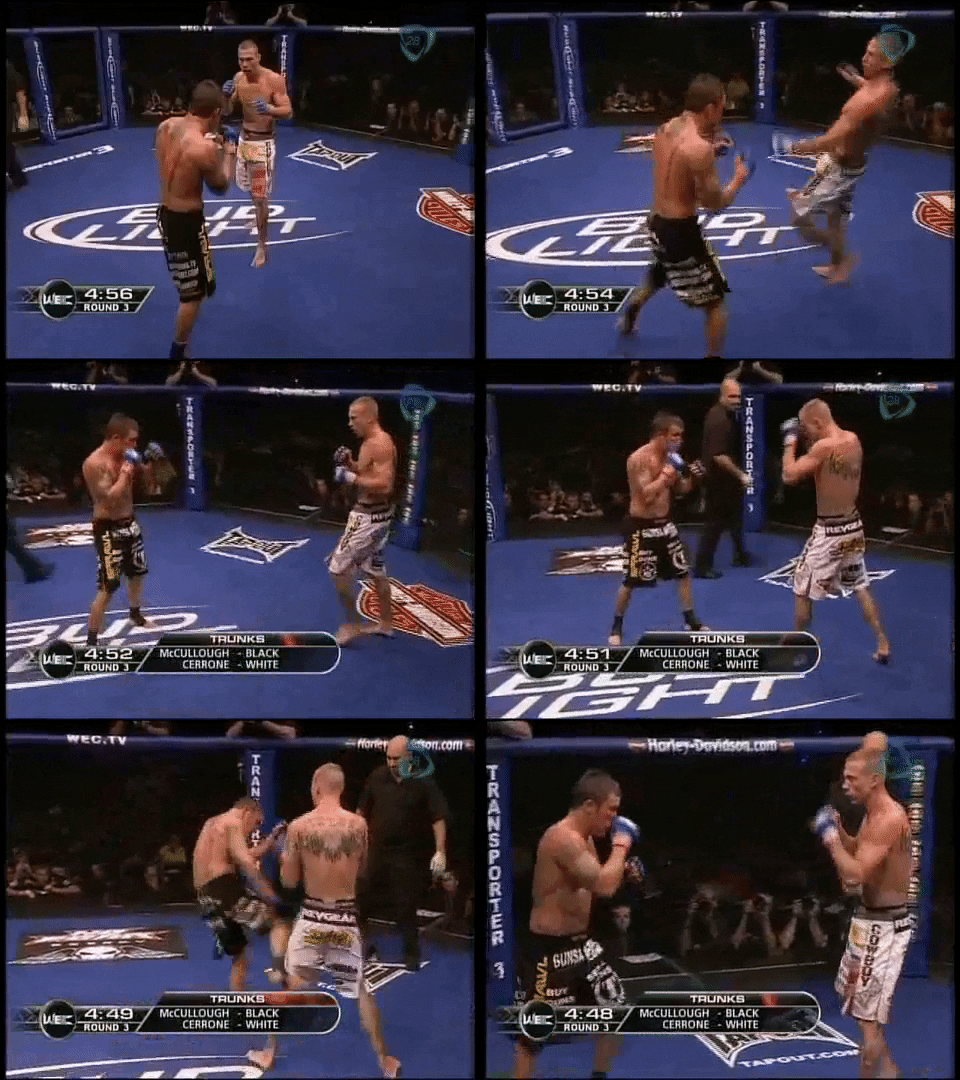
(Although he didn’t get his hand raised against Donald Cerrone, McCullough put on a decent performance even towards the latter stages of his career.)
The return of McCullough to Oyama’s gym seemed like a journey that had come full circle. After finding success in kickboxing and MMA in the California scene, McCullough left Oyama for greener pastures. Before he left, he introduced Oyama to Tito Ortiz who was preparing for his fight against Wanderlei Silva. What started as additional striking work for Oyama blossomed into a full-time coaching position. When McCullough returned, it was because he felt that his latest victory over Kenneth Alexander was too close for his liking. Although he hoped that going back to his old striking coach would revitalize his career, McCullough ended up going 3-4 before calling it a career. No one would call that a successful coaching career, but it did keep Oyama coaching long enough to discover another gem in Orange County, none other than Ian McCall. The 7-2 bantamweight wasn’t much early in his career and was 2-2 in the WEC. What did Oyama do to turn things around for him?
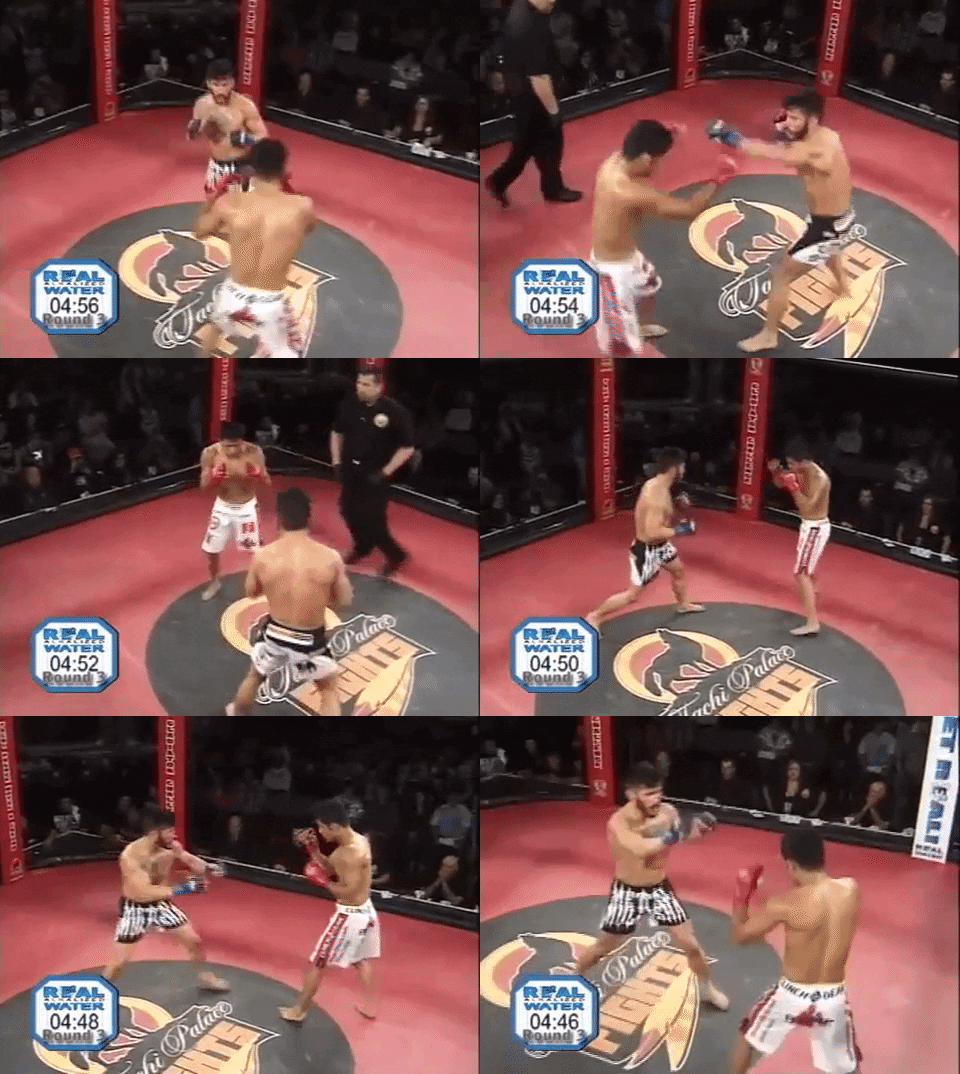
(McCall went from a decent wrestler with average striking to giving Jussier Formiga fits by feinting and constantly turning him.)
Another former high school wrestler, McCall found Oyama after moving back home after a brief collegiate wrestling career at Cuesta College. McCall had been with Oyama for quite some time, but it wasn’t until he dropped to flyweight for the Tachi Palace Fights promotion that he found success. He beat Jussier Formiga, then the #1 ranked flyweight in the world. He followed that up by beating Dustin Ortiz, an undefeated prospect who was 7-0 with all wins coming by finishes. This set him up with a title fight against Darrell Montague, then flyweight champion for Tachi Palace Fights. McCall finished Montague with a rear-naked choke in the third round. All this in seven months! McCall had a banner year in 2011, winning Sherdog.com’s Comeback Fighter of the Year award along the way. Oyama had found another champion, and he found another reason to stay in the sport for just a little bit longer.

(McCall may not have won UFC gold, but none of Oyama’s past students looked as fluid as him while striking.)
It wasn’t just the men in the lighter weights that were having a moment under Oyama, around this time Carla Esparza won season 20 of The Ultimate Fighter and beat Rose Namajunas to become the inaugural strawweight champion. It had been 11 years since Oyama had a UFC champion under his tutelage, but Esparza fixed that drought. Can you guess Esparza’s background? If you guessed wrestling, congratulations. Oyama certainly has a type when it comes to fighters he can mold into champions, but it could also be that wrestlers thrive under Oyama’s style of coaching.
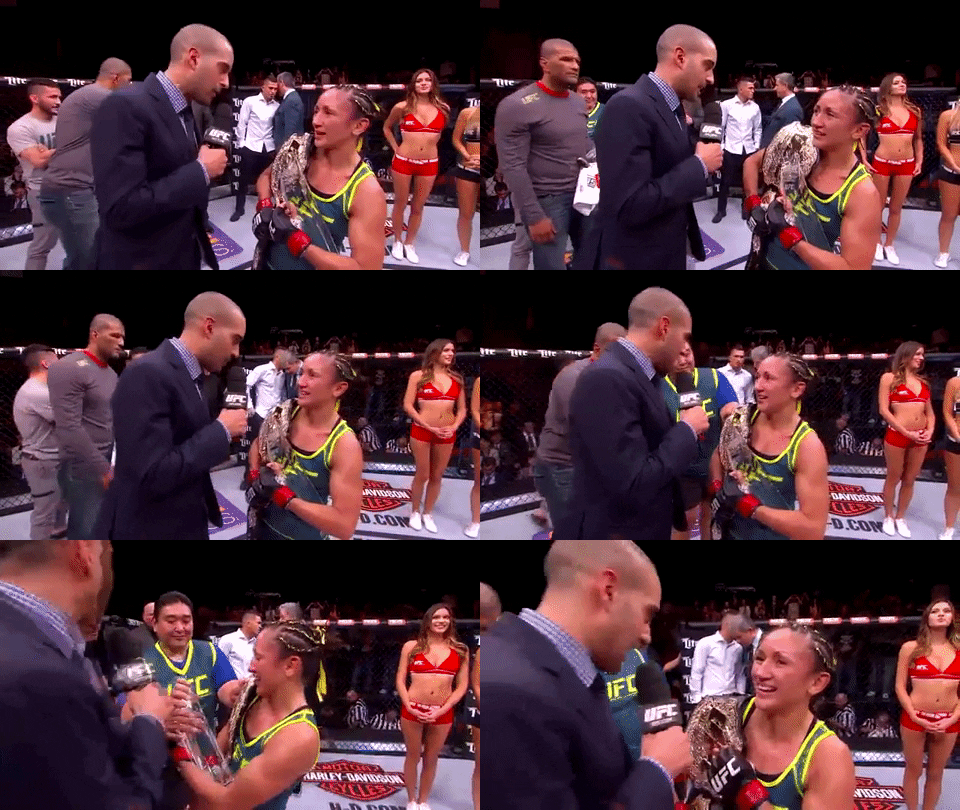
(Take a closer look at the background during Esparza’s win and you’ll see both McCall and Oyama in her corner.)
Esparza may have been a champion, but Oyama was already feeling burnout as a coach. In 2015, Oyama was close to calling it quits. Oyama told NBC News in 2017, “Two years ago, I reached a point where I was contemplating that maybe this was it. The performance and the attitudes of the younger people started turning me off a bit—especially in Orange County. There was so much entitlement, and it was like ‘Man, you haven’t done a damn thing.’ I ran into a kid from Central California who brought a good work ethic and showed up every day, and that kind of made me realize that I didn’t lose the passion for what I was doing, but I’d lost the passion for the people who didn’t work out hard and wanted everything handed to them.” A kid from Central California that started working with Oyama in 2015? Who could that have been? Would you look at that, it was none other than Alex Perez! Is his base also wrestling? Yes, because old habits die hard. But Perez is no joke when it comes to his striking. In his most recent fight against Formiga, Perez TKO’ed him with leg kicks in the first round. Oyama is now 2-0 against Formiga, but more importantly, the win put Perez in a position to challenge Deiveson Figueiredo for the flyweight title this weekend at UFC 255. This feels like familiar territory for Oyama. Back when McCall made his UFC debut, it was as part of the UFC’s launch of the flyweight division. McCall came razor close to beating Demetrius Johnson and, arguably, he’s come the closest to anyone in the UFC to finishing Johnson at flyweight. Even though Oyama walked away without a champion in his corner, he could get another chance very soon.
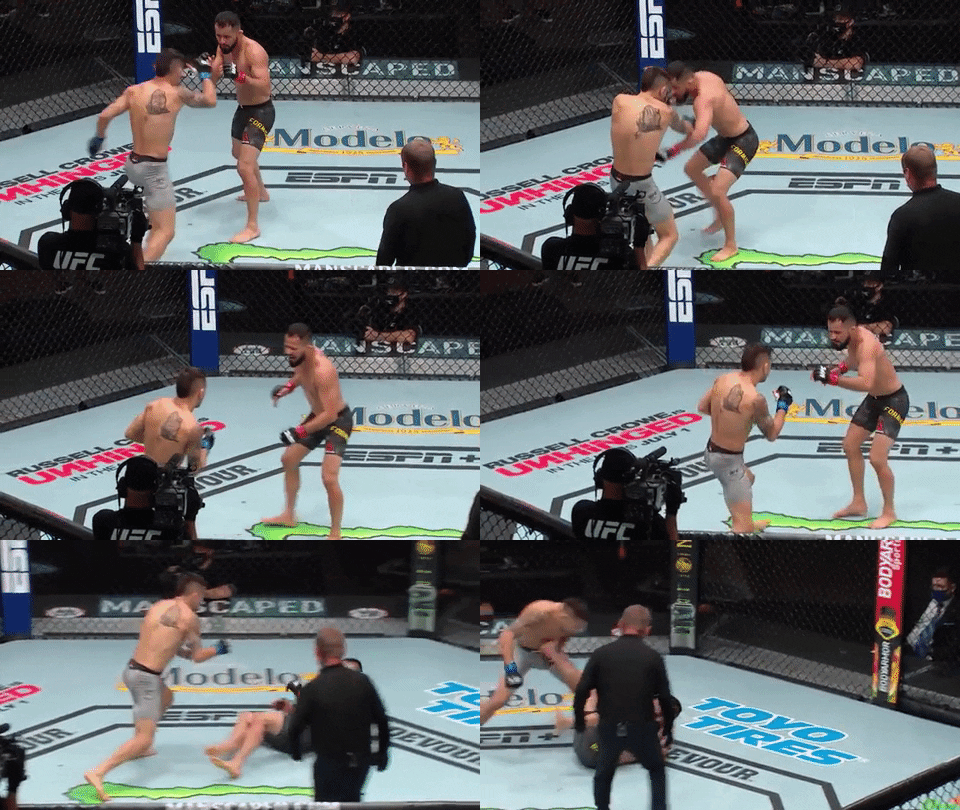
(Alex Perez didn’t need long to find the calves of Formiga and finished the fight early.)
People talk often about how fighters need to evolve and adapt to stay ahead in this game, but the same applies to coaching as well. How many other coaches can you name from the early 2000s that are still training fighters at the highest level today? And if they are, what kind of prospects are they churning out? It’s a tough question, and it could be the reason for Oyama’s success. Instead of chasing down well-known fighters or catering to superstars, Oyama has built a culture where he carefully selects young fighters where the main criteria is work ethic and wrestling. Not only does having a wrestling background help Oyama connect better with the athletes, but it saves time not having to build a grappling base from scratch. His fighters are able to transition from striking to clinch to takedown, which has saved Marlon Vera on several occasions. When they’re too far to clinch, Oyama fighters throw calf kicks. There’s much more of a formula now than there were during the Team Punishment days.
Oyama has also adapted by focusing on the UFC’s emergent divisions, which were the lighter weight men’s divisions along with the new women’s divisions. The days of training giants are long gone. Oyama continues to have success with the likes of Esparza, Perez, Marlon Vera, and Brent Primus from Bellator. On the same card where Perez is trying to capture the men’s flyweight title, Jennifer Maia will attempt to win the women’s flyweight title by being the first to beat Valentina Shevchenko at 125 pounds. Maia will be representing the famous Chute Boxe Academy. Back when Jackson was still with Oyama, he lost three times against Chute Boxe fighters. Oyama might be the one that has the last laugh. After all, he’s the one with all the up-and-coming fighters waiting in the wings, and Chute Boxe is a shell of its former self. If we expect fighters to evolve, shouldn’t we expect the same from coaches? It’s hard to say what the future holds for the OC-based coach, but we can be sure of one thing: it’ll involve wrestlers who become fluid strikers.
Files
Previews only

