 Home

 Creators
 Search
 Recent
 Random
 Posts
 DMs
 Tags
 Random
 Importer
 Import
 FAQ
 Account
 Register
 Login
 Favorites
 Keys
 Logout
 Telegram

Vet to Champ: Jan Błachowicz (Bonus) (Patreon)
Content
Words by Paul
Video by Sam
Stop me if you’ve heard this one: A European fighter racks up a winning record in their regional circuit, becoming a champion. Soon, he finds himself drawing the attention of the UFC. Once there, he alternates between wins and losses, never quite living up to the hype he came over with. It seems as if he will never reach his full potential, let alone become champion. Suddenly, in what seems to be the twilight of his career, he racks up a three-fight win streak, finding himself with a title shot due to unusual circumstances. Despite being 37 years old, he makes the most of this opportunity. As a sizable underdog against the California native, he wins by knockout with a left hook, becoming an undisputed champion in the UFC. Who is this mystery man? If you guessed Michael Bisping, you are correct! But if you guessed Jan Błachowicz, congratulations! You’re also correct.
Some fighters peak early in their careers, but Błachowicz isn’t one of them. Błachowicz went from being a “good” fighter heavily featured in European cards to light heavyweight champion of the world. It seemed absurd that someone with such a limited style could get to the top while Jon Jones was still active. So how was this Polish export able to win one of the most coveted titles in MMA? The answer is two-fold: he was in the right places at the right time, and he fine-tuned his best weapons instead of mindlessly trying to improve in all areas. To understand how Błachowicz got here, we need to examine his early days.

In his native Poland, Błachowicz racked up a 17-3 record, mostly fighting in the KSW promotion. Back in those days, Błachowicz’s style was focused on moving backward, hoping to catch his opponents with hooks as they swung overhand punches. Now and then, a high kick from Błachowicz would find its mark.

His kicks were serviceable, and his submissions consisted mostly of armbars and rear-naked chokes.


To get opponents to the ground, Błachowicz’s single-leg takedown usually did the trick. It might seem amateurish, but don’t forget that this was the takedown of choice for Kazushi Sakuraba.
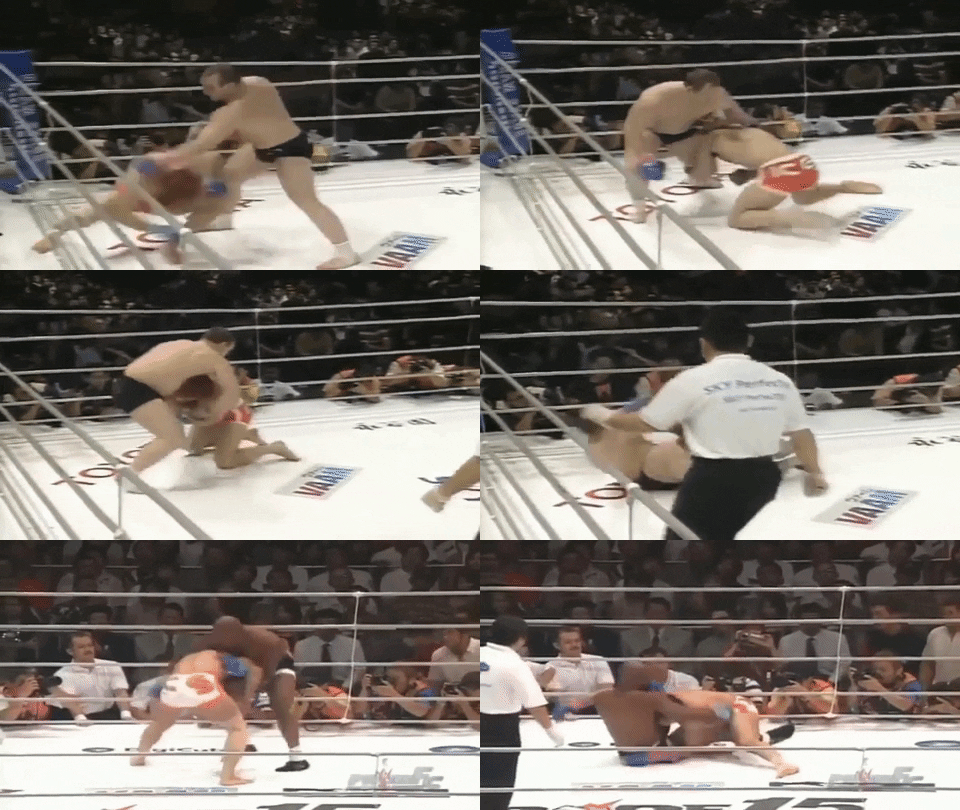
Nothing in his arsenal stood out as particularly dangerous, but his win-loss ratio showed that his style was effective. After all, he won KSW’s light heavyweight tournament three times, and eventually became the promotion’s light heavyweight champion. After defending the KSW title twice, he signed a contract with the UFC. This version of Błachowicz was a fighter still perfecting his groove in the striking range and had just enough grappling to be dangerous on the ground. Could he make a splash under the UFC banner?
Initially, that answer was a resounding “no.” Błachowicz was 2-4 in his first six UFC fights. Granted, all his early losses were decisions, but it wasn’t a good look for someone that was previously a champion in a different promotion. He still relied on countering off his opponent’s aggression, but he was finding that UFC light heavyweights withstood his counters and pressured him first to swing and miss. It also didn’t help that he could be drawn into firefights where his chances of getting hurt increased.

Also of note, Błachowicz wasn’t used to fighting in a cage. At the time, KSW’s fights were done in a ring, where clinching against the ropes usually resulted in a referee’s break, and getting pressed against the fence wasn’t a threat. In the first Jimi Manuwa fight, Błachowicz constantly got tied up and pushed back by Manuwa, where he was able to throw knees to the inside of his legs and blast Błachowicz with hooks. With the cage holding him up and no referee’s break, Błachowicz found himself with very few options. Manuwa’s teammate, Alexander Gustafsson, copied much of the same strategy but added in a few takedowns.


Although the losses weren’t a good look, there were glimpses of promise. In the Manuwa fight, Błachowicz was able to find a home for his jabs, which forced Manuwa to start clinching. Błachowicz’s check hooks created hesitation from Gustafsson, who then relied on his wrestling and won the rounds. The loss against Patrick Cummins seemed to have been the last straw. Starting with Devin Clark, Błachowicz focused heavily on his kicks, both for offense and defense. It wasn’t unusual to see him punt Clark’s lead leg or return one of Clark’s kicks with a kick of his own. The midsection in particular was a target for Błachowicz, which created a sense of urgency for Clark. In the second round, Clark burst down the middle with multiple right-hand leads to try and catch Błachowicz off guard, only to get his back taken and choked out while standing.

When Błachowicz rematched Manuwa, it was clear that he had improved tremendously. At the time, Błachowicz was ranked #11 while Manuwa was #4. To even the score, Błachowicz focused on volume striking. Błachowicz showed an improved fight IQ by finishing his combinations with body kicks to keep Manuwa from countering. The strikes forced Manuwa on his back foot, which allowed Błachowicz to follow up with flurries—even dropping Manuwa early in the fight.

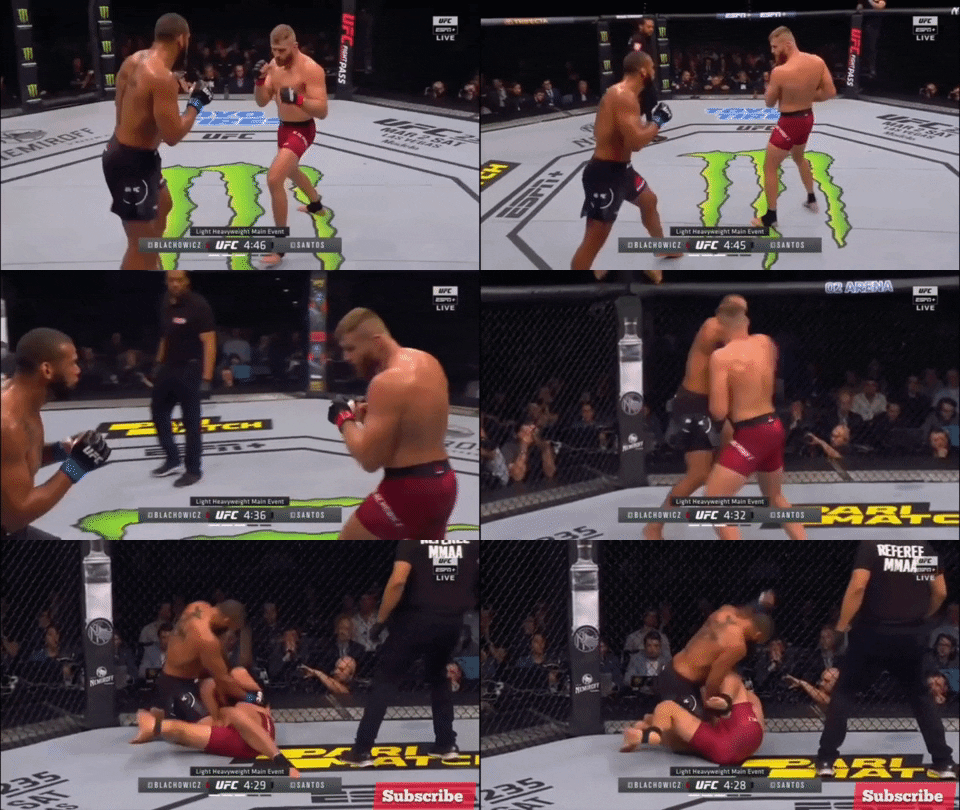
The victory over Manuwa proved that Błachowicz could hang with the top five in the division, but his newfound aggression ended up coming back to bite him in the ass against Thiago Santos. It was an exciting fight that went back and forth, but Błachowicz made the same mistake his previous opponent Devin Clark made. After absorbing multiple low kicks to the lead calf, Błachowicz rushed in with an uppercut-straight combo, only to get clipped with a hook clean to the jaw. This dropped Błachowicz and set up the finish for Santos. With his four-fight win streak snapped, it seemed as if Błachowicz wouldn’t reach the top after all.
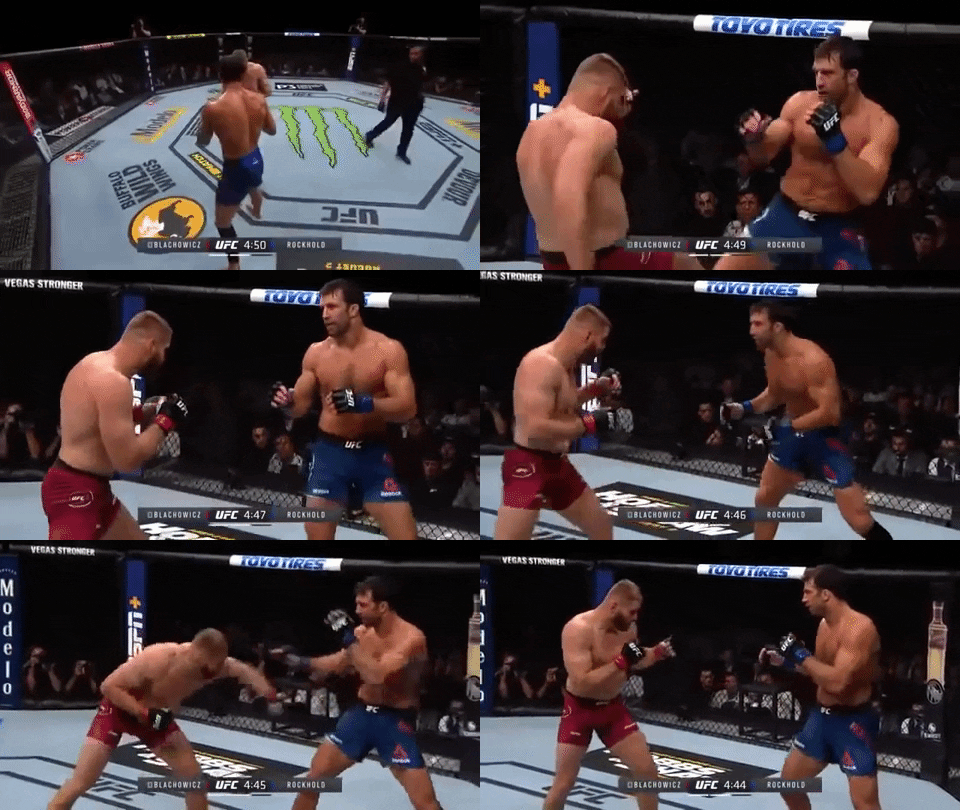
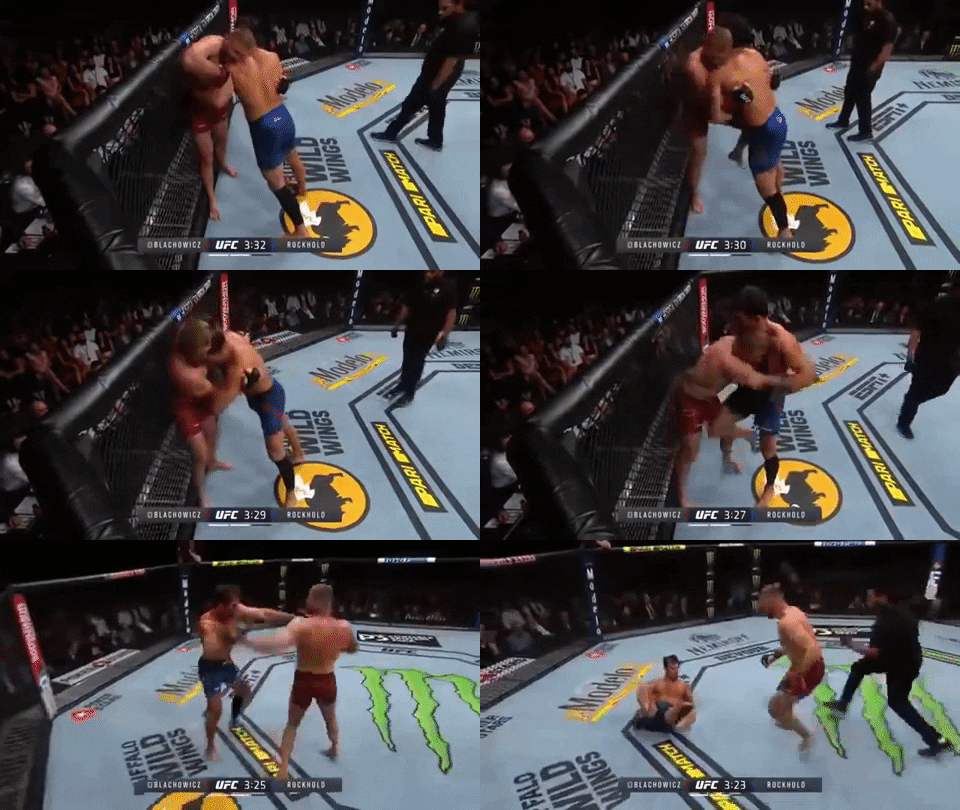
Luckily for Błachowicz, he was selected to welcome former middleweight champion Luke Rockhold to the 205-pound weight class. Rockhold talked openly about wanting to win another belt in a different weight class, confident that he would be facing Jon Jones soon. Unfortunately for Rockhold, Błachowicz didn’t get the memo. By focusing on the inside low kicks and punches to the midsection, Błachowicz forced Rockhold to initiate the clinch. Not realizing how strong Błachowicz was, Rockhold got out-muscled and couldn’t get the fight to the ground. Błachowicz eventually snuck in his right hand while both were pummeling for position in the clinch. From there, he threw a knee and a left hook off the clinch break, knocking Rockhold out cold.
Even though he followed this win up with a close (and quite frankly, boring) win over Ronaldo ‘Jacare’ Souza, his rematch against Cory Anderson proved all he needed was the right opponent. Błachowicz timed Anderson as he moved forward with kicks and caught him with a counter-right hook.
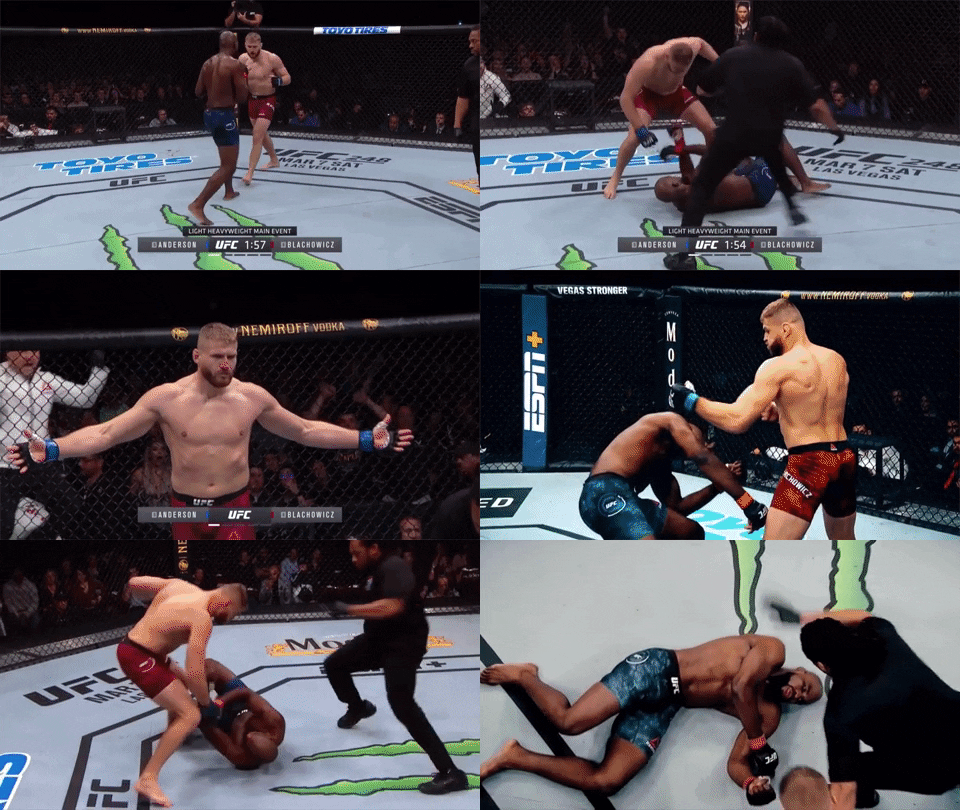
In less than a round, he knocked Anderson out. I mentioned earlier that this was a rematch, but do you know how badly that first fight was for Błachowicz? Two of the judges scored the fight 30-25 for Anderson. When was the last time you saw a 30-25 scorecard? That’s a beating not many would have recovered from, but Błachowicz has shown that once he rematches someone he’s lost against, the results are drastically different.
Now on a three-fight win streak, it seemed that either he or Dominick Reyes would be challenging Jon Jones for the light heavyweight title. In an unexpected twist, Jones relinquished his title to move up to heavyweight. This set up a title fight for the now vacant 205-pound strap between Reyes and Błachowicz. With Reyes taking Jones the distance in a fight that many argued should have gone his way, it almost seemed like a foregone conclusion that he would be able to put Błachowicz away. Just like in the Rockhold fight, Błachowicz proved that he’s not someone that should be overlooked.
Błachowicz fought out of the orthodox stance as usual to meet the southpaw Reyes. Even though this created an open guard match-up that favored Reyes, Błachowicz countered this disadvantage by unloading with kicks to the lead leg of Reyes. Low kicks from Błachowicz’s rear and lead legs kept Reyes from getting comfortable. What’s interesting to note is how often Błachowicz was able to keep his lead foot on the outside against Reyes. No matter which direction Reyes moved, Błachowicz followed closely with his lead foot just on the outside.
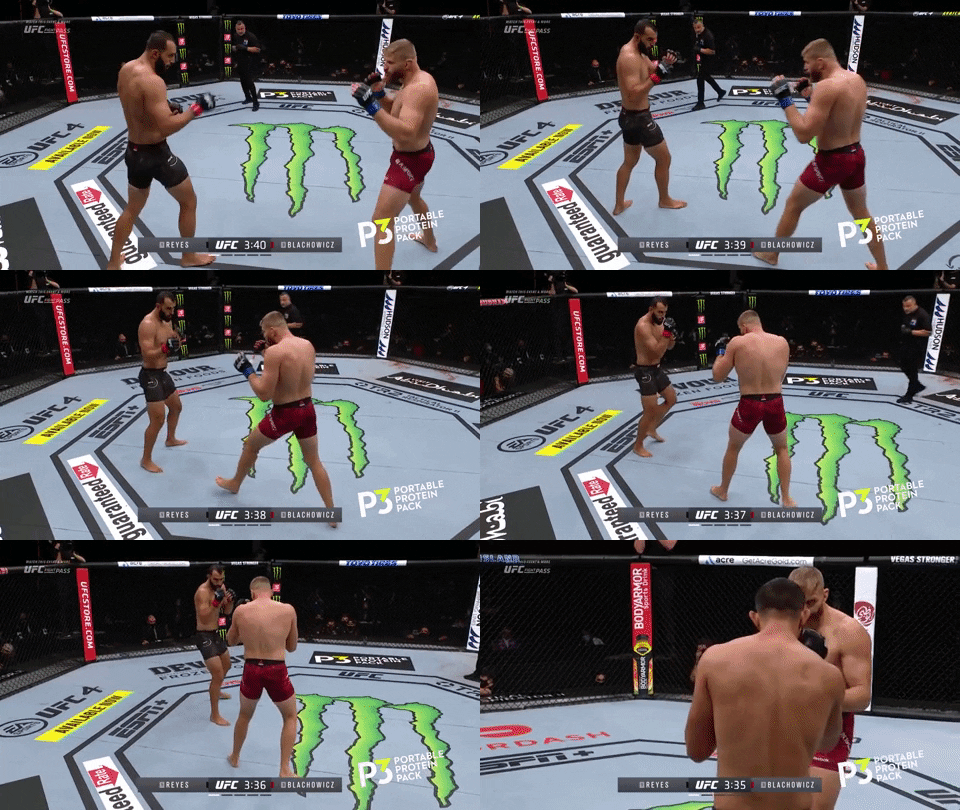
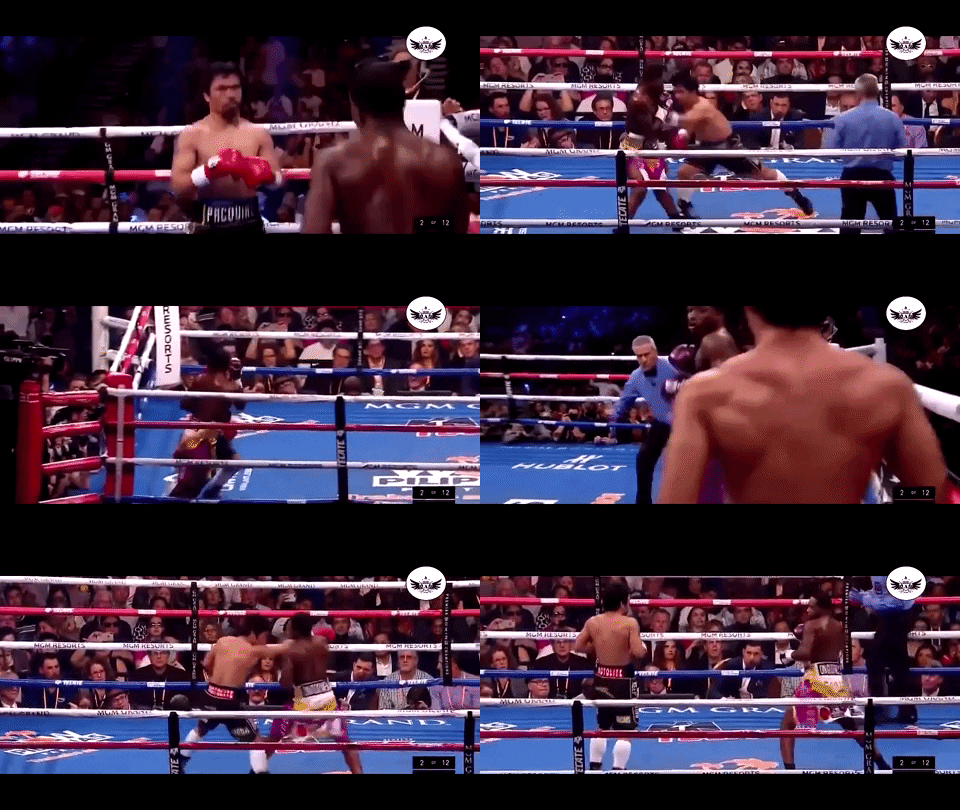
Whenever a fighter can keep their foot on the outside position against an opposite stance opponent (like in southpaw versus orthodox), their rear hands have an easier path down the center. The southpaw Manny Pacquiao often has a reach and size disadvantage against opponents, but his commitment to keeping his lead foot just outside of his opponents allows him to land his left hand more frequently than his length should allow.
For Błachowicz, the rules of MMA give him more tools at his disposal. After throwing punches up top, Błachowicz would follow up with body kicks (just like in the Manuwa rematch). Even though Reyes was already moving out of the way, his midsection absorbed the strike with no protection. Reyes tried to shrug them off, but the damage was done.
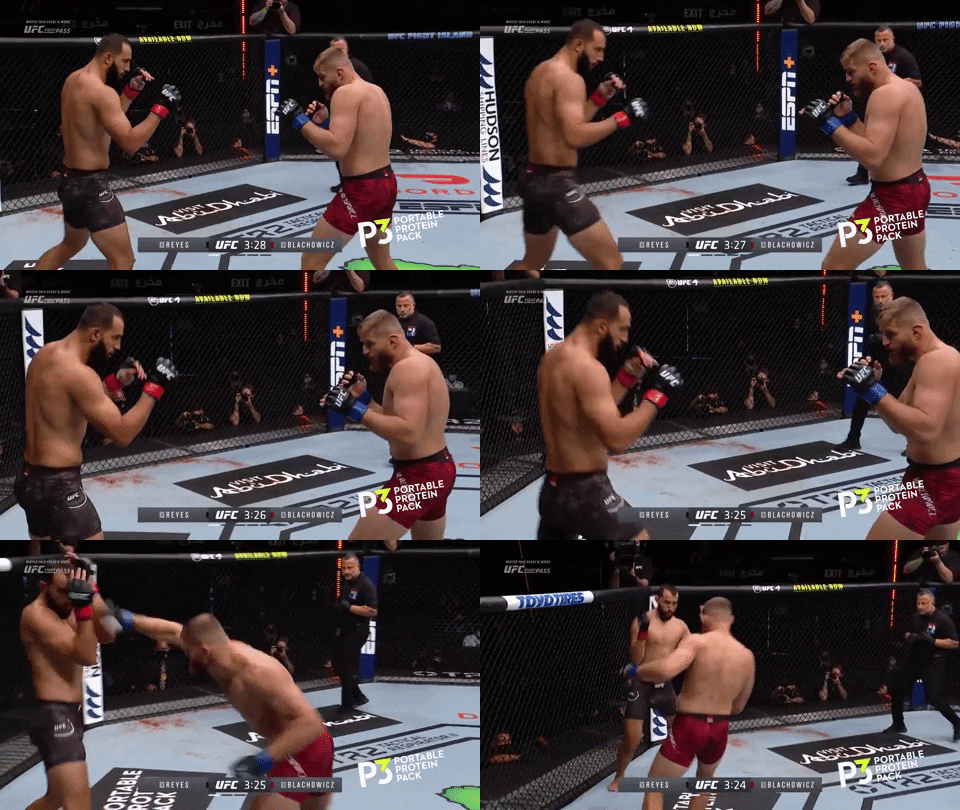
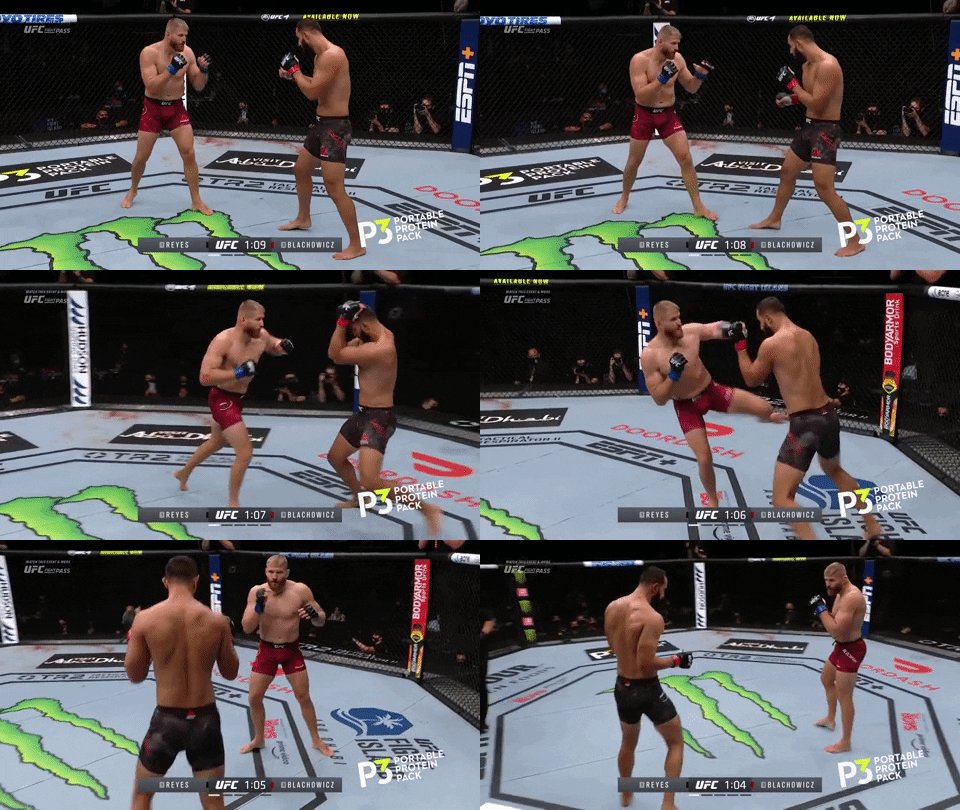
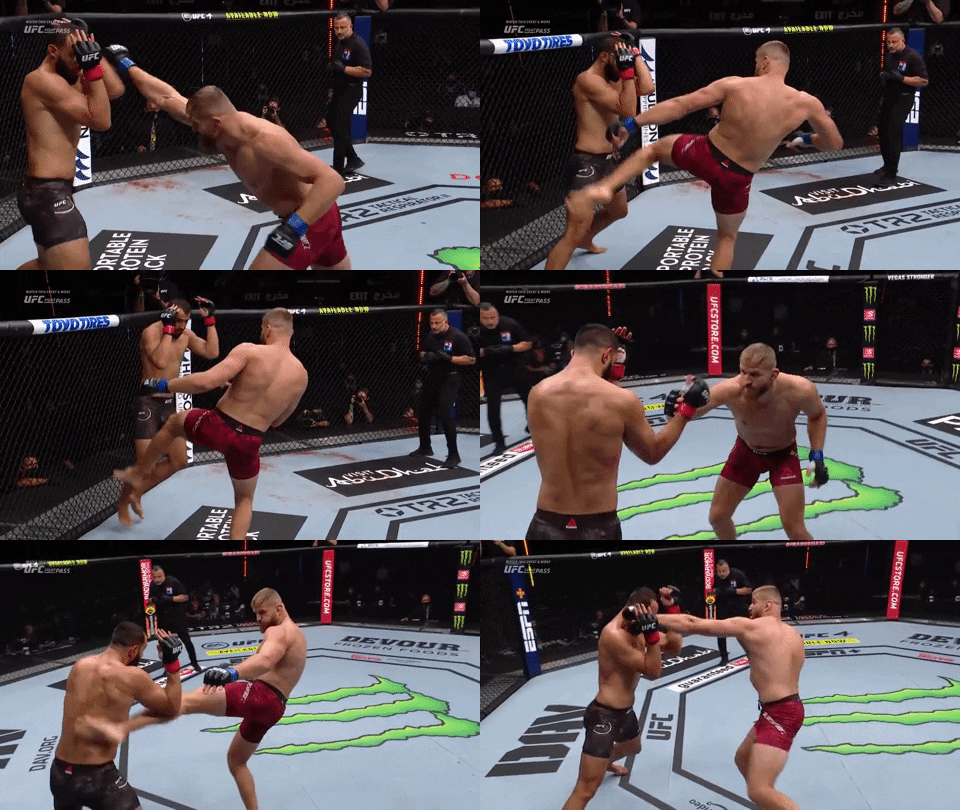
Błachowicz kept most of his kicks to Reyes on his lead side, which worked out since Reyes didn’t consider catching the kicks. The pressure of Błachowicz can’t be overlooked. By moving forward but not swinging first, Błachowicz limited Reyes’s opportunities to attack. In short, Błachowicz kept the left high kick and southpaw straight at bay. It’s obvious how much this bothered Reyes, he was crossing his legs frequently and never looked like he was in control.
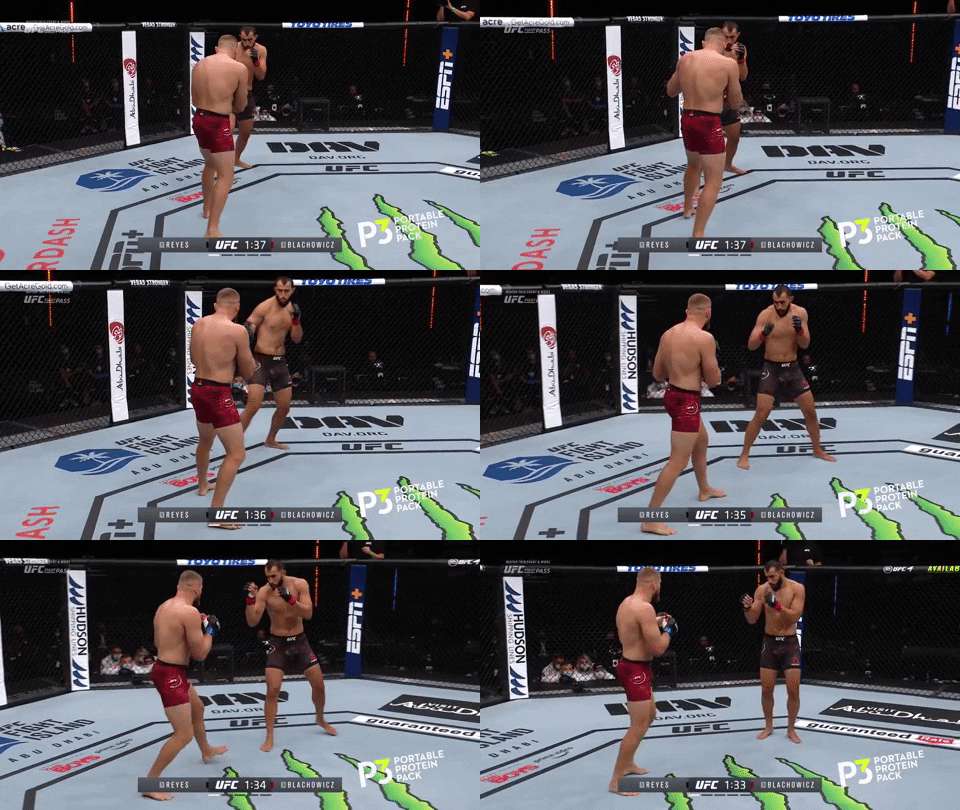
Reyes kept trying to create openings for his strikes, but Błachowicz didn’t bite on any of his feints. His timing and distance management were excellent, and Reyes could never quite figure it out. While trying to adjust on the fly, Reyes ended up absorbing too much punishment. Desperate to land something, Reyes started attacking Błachowicz with more aggression. This turned out to be his undoing, as it gave Błachowicz a chance to land his counter hooks. Fearing these punches, Reyes put up his forearms to block, only to get hit flush with a rear hand straight right down the middle.
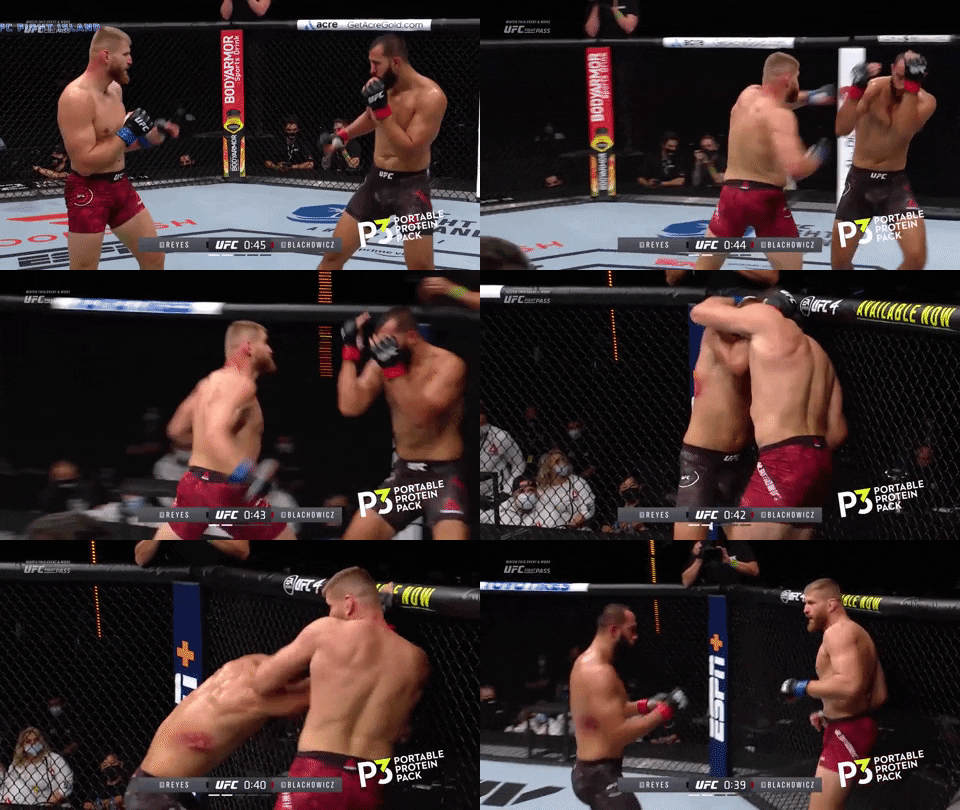
This caused Reyes to stumble, and Błachowicz smelled the blood in the water. The right hand-left hook combination worked wonders, and this eventually clipped Reyes repeatedly and finished the fight for Błachowicz.
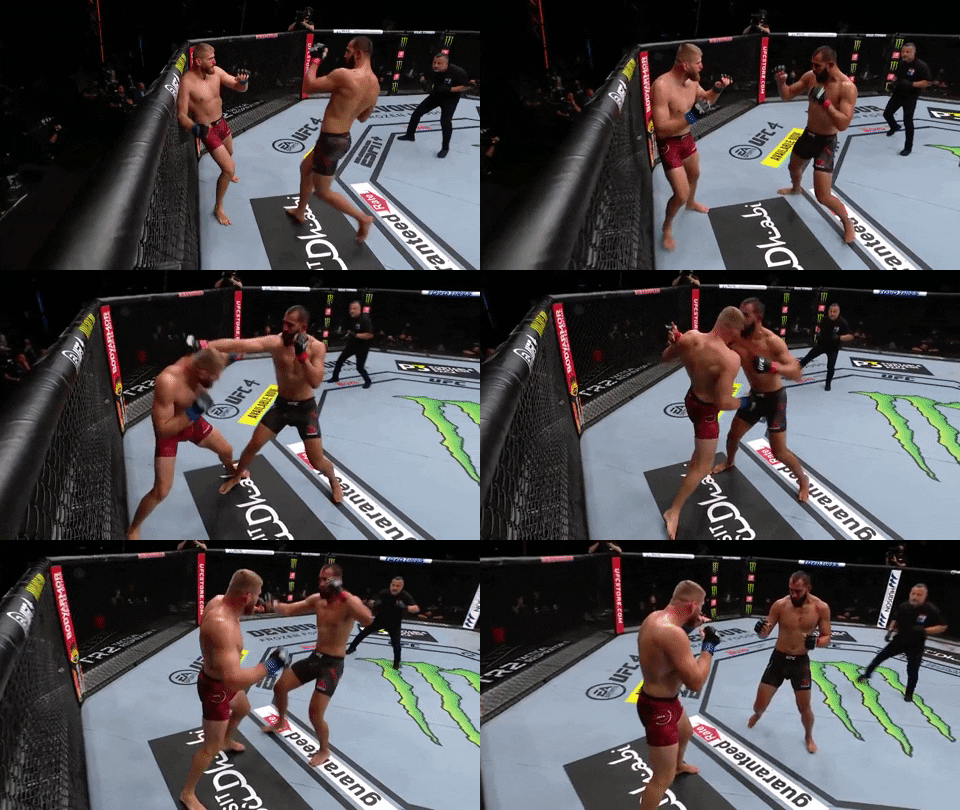
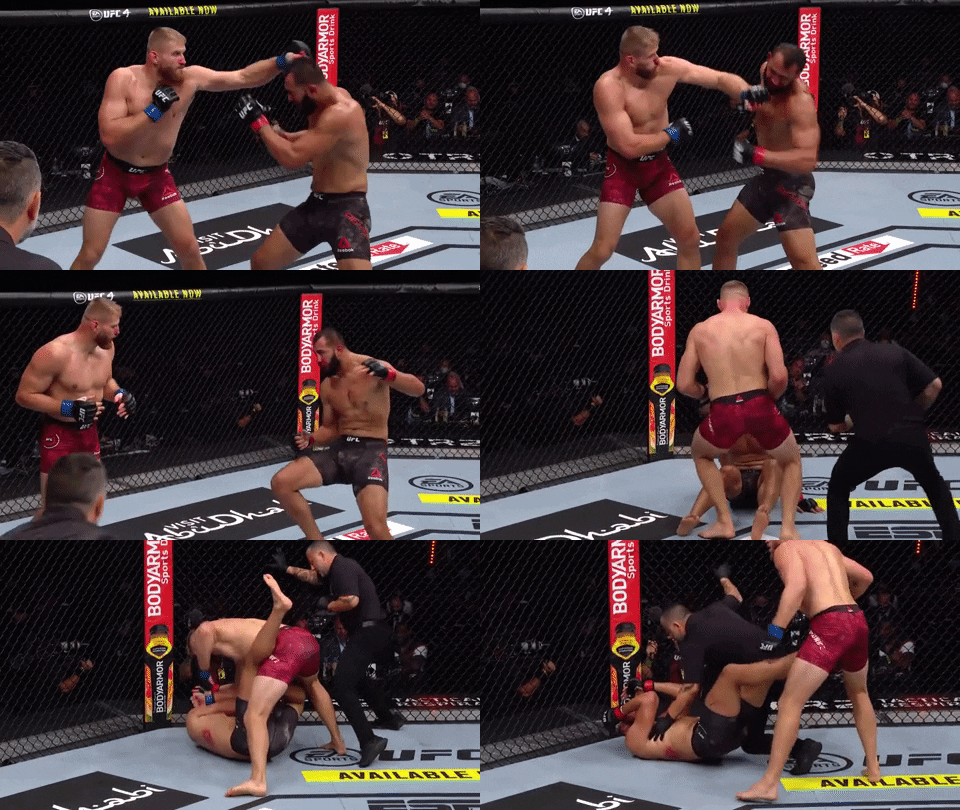
Despite being the underdog (+220 in Vegas odds), the fight wasn’t even close. Outside of Randy Couture, he is the oldest UFC light heavyweight champion. He’s not the fastest, strongest, nor the most technical champion to ever hold the belt. But Błachowicz’s style is unique among light heavyweights, look at the division and you’ll be hard-pressed to find anyone that can mimic him. He didn’t have to become an amazing wrestler to try and keep up with the other grapplers in the division. Nor did he add a bunch of spinning attacks to surprise opponents. Błachowicz focused on his strengths, like his counter hooks, and added other tweaks like finishing with kicks to the body to make his combinations more potent. He didn’t suddenly start shooting in more frequently to get takedowns, he got better at timing them when they were expecting punches. He was always patient but learned that if he wanted opponents to strike first, he couldn’t keep stepping back to lure them. Sometimes, it meant applying pressure and taking that first step. And most importantly, he was ready when the opportunities presented themselves.
Błachowicz has a huge challenge in front of him when he faces current middleweight champion Israel Adesanya. Adesanya is a decorated kickboxer and has so far been flawless in his MMA career. But if there’s one thing Błachowicz is great at, it’s beating up middleweights that think the 205-pound weight class is easy money.
Files
Previews only

