Home

 Creators
 Search
 Recent
 Random
 Posts
 DMs
 Tags
 Random
 Importer
 Import
 FAQ
 Account
 Register
 Login
 Favorites
 Keys
 Logout
 Telegram

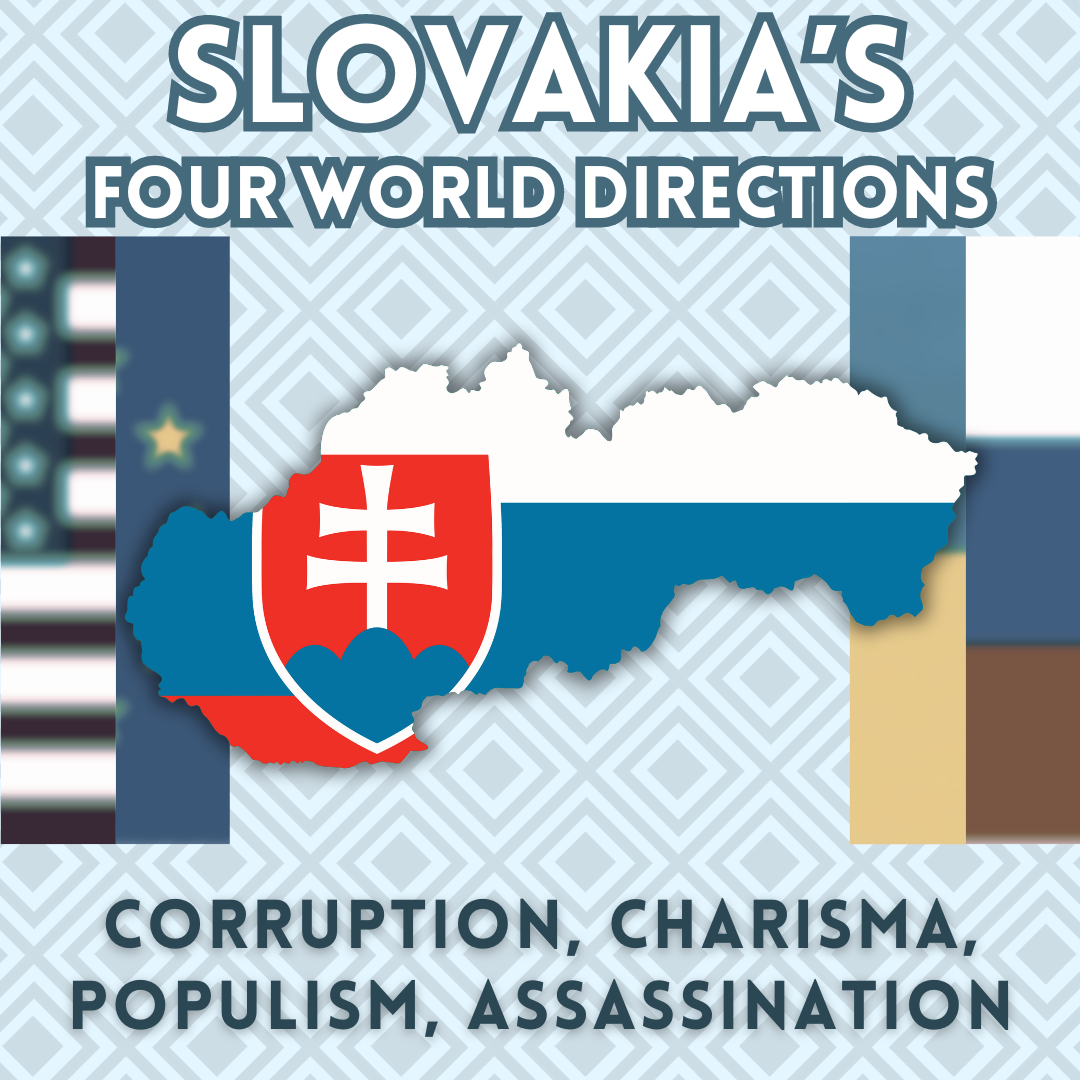
/436/ Slovakia's Four World Directions ft. Dominik Zelinsky (Patreon)
Downloads
Some files exceed the archive size limit and weren't saved: 1 file. Please note these limits are in place to keep this site running long term, without costing a fortune. You can favorite the creator though, certain milestones increase the limit.
Content
On corruption, charisma, populism & assassination in Slovakia.
Slovak sociologist Dominik Zelinksy joins us to discuss Slovakia's positioning between East and West. We discuss:
Why was Prime Minister Robert Fico a target of an assassination attempt?
Whether Fico – not a zany outsider but a competent insider – is a "populist"
Why Slovaks are not so anti-Russian, and why they are sceptical of NATO
How has anti-corruption politics played a role
What is "charismatic mimicry" and why have Western leaders aped Ukraine's Zelenskyy?
Links:
Slovakia's election: "more than a fight between democracy and autocracy", Dominik Zelinsky, LeftEast
Assassination Attempt Prompts Soul-Searching in Slovakia, Jakub Bokes, Jacobin
Slovakia’s Election Result Is About Declining Living Standards, Not Just Ukraine, Jakub Bokes, Jacobin
Charismatic Mimicry: Innovation and Imitation in the Case of Volodymyr Zelensky, Paul Joosse & Dominik Zelinsky, Sociological Theory. Thread on Twitter/X about the article
Files