Home

 Creators
 Search
 Recent
 Random
 Posts
 DMs
 Tags
 Random
 Importer
 Import
 FAQ
 Account
 Register
 Login
 Favorites
 Keys
 Logout
 Telegram

NOBS through the roof (Patreon)
Content
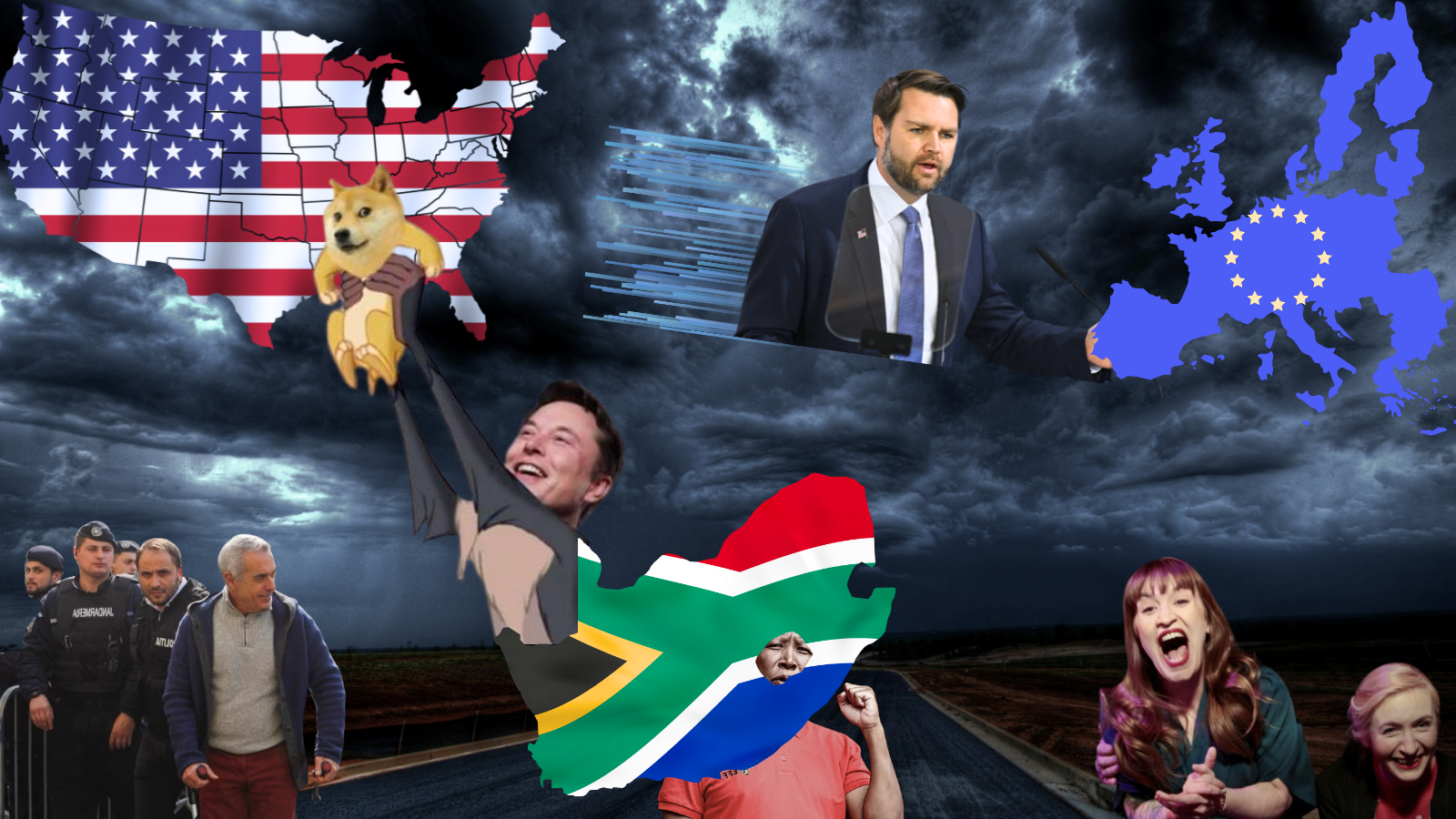
Germany at the centre of Europe – and European decline
The end of the End of History has been coming for Germany. And it was always clear that when it did, the NOBS would be through the roof (that’s Neoliberal Order Breakdown Syndrome, for the uninitiated). In February, this happened in two big ways – one directly, the other less so.
Firstly, Germany went to the polls on Sunday 23 February and unsurprisingly the radical right AfD came second, marking yet another European country in which such forces are either in government or are now the official opposition. Meanwhile Die Linke patted itself on the back for an improved performance. Together these two parties account for more than one-third of the votes of the Bundestag (and the picture is more stark still with younger voters). But claims that this is “good news for the Left” seem to miss that the party largely stole votes from rivals on the centre-left, particularly the Greens, suggesting a tendency we identified a while ago: that as the old parties of the centre-left collapse, new vehicles hoover up their old voters. While this may look like an electorate looking for more radical solutions – and outsider parties supplying them – it’s actually just the moderation and mainstreaming of ersetwhile radical parties. And actually, if we consider how pro-EU, pro-war-in-Ukraine, and generally woke Die Linke are, they actually demonstrate another point we’ve made for a while: that the progressive left will be the last ones holding the neoliberal can, after the world has moved on.
So: all the “end of the End of History” features are there. Centrist consensus is falling apart, “political polarisation” is on the up, and there are plentiful systemic maladaptions emerging from adherence to outdated rules and ways of doing things (hello, constitutional debt brake). This is prompting hysteria from the ostensible “adults in the room” (see, for example, the absurd censorship and bans over pro-Palestine protests, including prohibiting the speaking of Arabic). And these political features are undergirded by a slow rot in the undercarriage of political economy, which in recent years has manifested such a stench no one can any longer ignore it.
...READ THE REST OF THE NEWSLETTER ON SUBSTACK
Here's what’s coming up in February
What happens to nationalism after globalisation? This is the central question of the next section of the Reading Club. We’ll kick off by discussing Perry Anderson’s essay “Internationalism: A Breviary”. See the syllabus here, with links to readings.
Also coming up: Todd McGowan will be back on, embracing alienation. Jensen Suther will join us to chart a path for critical theory after the defeat of the working class. Recognising this defeat, Dan Evans will discuss whether there is a path back for the working class. And if the future is a planet of slums, how can we build urban power, asks Ben Bradlow.
Files