Home

 Creators
 Search
 Recent
 Random
 Posts
 DMs
 Tags
 Random
 Importer
 Import
 FAQ
 Account
 Register
 Login
 Favorites
 Keys
 Logout
 Telegram

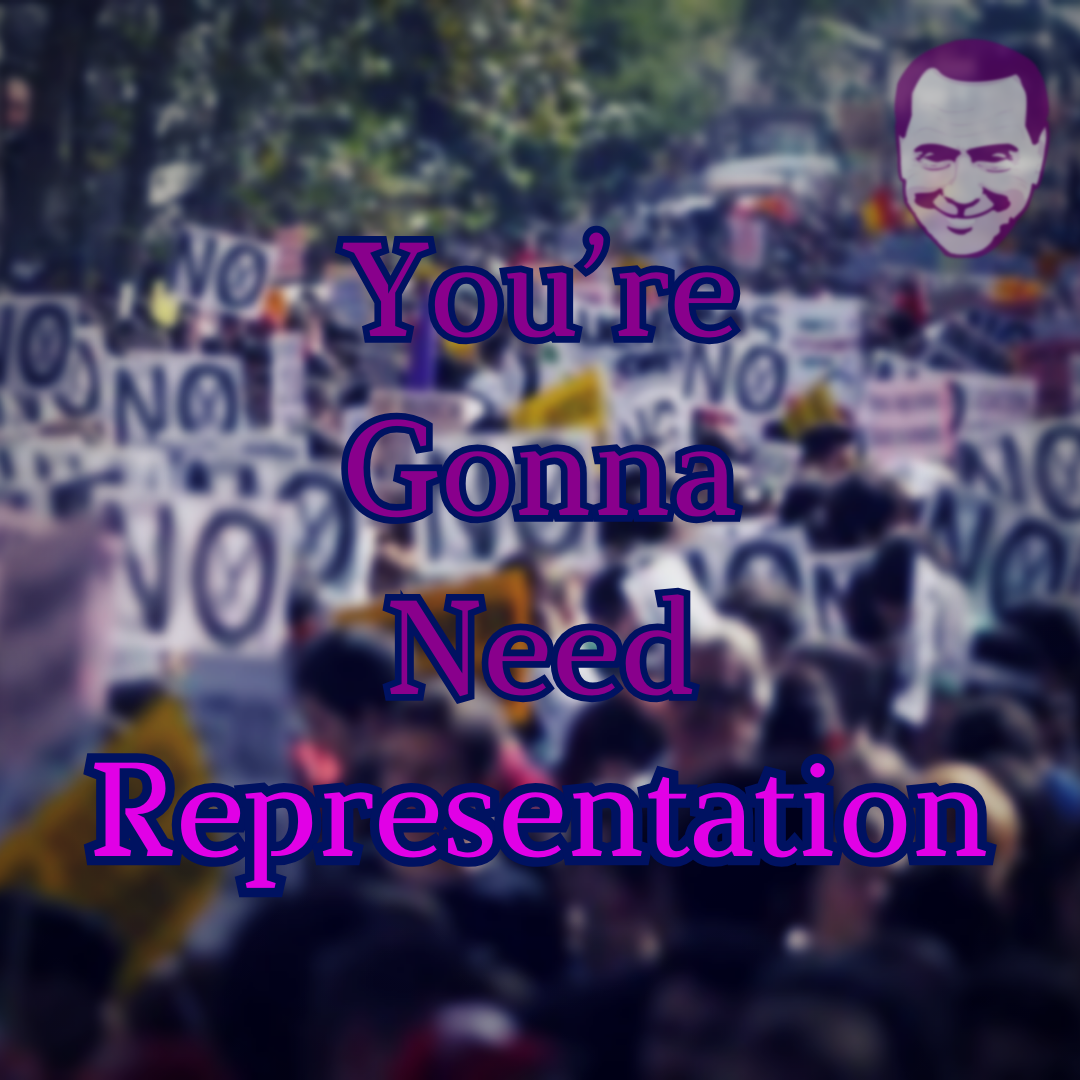
/374/ You're Gonna Need Representation ft. Vincent Bevins (Patreon)
Downloads
Content
On a decade of protest around the world.
Journalist Vincent Bevins is back on the podcast to talk about his new book, If We Burn: The Mass Protest Decade and the Missing Revolution. We discuss the 2010s protest wave across countries as varied as Egypt, Turkey, Brazil, Ukraine, Hong Kong, Chile, Bahrain, Yemen, South Korea and Tunisia.
We ask:
Why were protests in places that were so different all look so similar?
Why was there such a focus on spontaneity, leaderlessness, peformativity, and horizontalism?
What are some examples of the ways protests rejected representation?
Was class or generation more important in driving these protests?
Why did media becomes so important in pursuing political change?
How can we avoid a repeat of the failures of the 2010s?
Links:
If We Burn: The Mass Protest Decade and the Missing Revolution, Vincent Bevins, Public Affairs
The mass protest decade: why did the street movements of the 2010s fail?, Vincent Bevins, The Guardian
The End of the End of History: Politics in the 21st Century, Bungacast authors, Zer0 Books
/121/ Those Murdering Bastards ft. Vincent Bevins
/279/ Society of the Speculative ft. Aris Komporozos-Athanasiou
Files