Home

 Creators
 Search
 Recent
 Random
 Posts
 DMs
 Tags
 Random
 Importer
 Import
 FAQ
 Account
 Register
 Login
 Favorites
 Keys
 Logout
 Telegram

*NEW* Tsugaru Aiya Bushi | Intro -- 津軽あいや節 | 前奏 (Patreon)
Downloads
Content
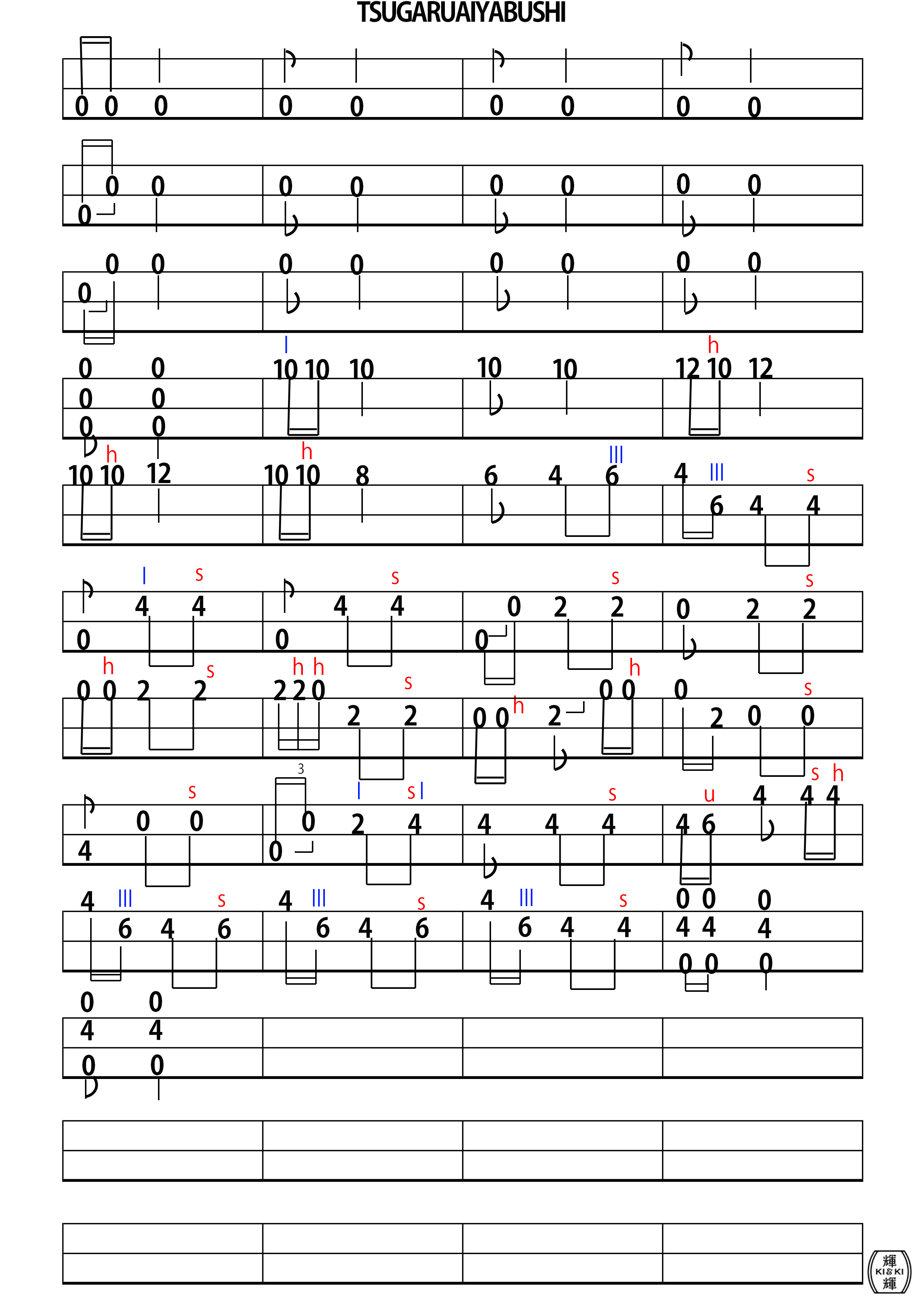
This lesson video focuses on the intro section of “Tsugaru Aiya Bushi,” one of the Tsugaru Godai Minyo. Starting from Otoawase, the goal is to properly internalize the rhythm of the song. So first, please make sure to firmly learn the timing of your right hand.
If adding the left hand feels difficult, we recommend practicing just the right-hand Bachizuke along with the video.
Note:For clarity, the sheet music is written in an even triple meter, but the true rhythm of Tsugaru Aiya Bushi cannot be fully captured in standard notation. Use it only as a guide, and please follow the demo video to develop an accurate sense of the rhythm.
Tsugaru Aiya Bushi Demonstration:https://www.patreon.com/posts/149140325?utm_campaign=postshare_creator
津軽五大民謡の「津軽あいや節」の前奏部分のレッスン動画です。音合わせからしっかりと津軽あいや節のリズムが刻めるようにまずは右手の間をしっかり覚えましょう。左手をつけるのが難しい人は右手の撥付だけ動画と合わせて練習するの
をおすすめします!
注意:楽譜は分かりやすくするために均等な三拍子で記載していますが、津軽あいや節の正確なリズムは本来楽譜表記ができません。あくまで目安として使い、お手本動画に合わせて正確なリズムを身につけましょう。
津軽あいや節お手本:
https://www.patreon.com/posts/149140325?utm_campaign=postshare_creator
Vocabulary List
Tuning - to adjust the pitch of the Shamisen
Niagari - the tuning with the first string in C, the second string in G, and the third string in C. The base note on the first string can be other notes than C, but the balance between the three strings remains the same
Ushirobachi - to strike bachi at the lower part of shamisen body (closer to the Koma) to produce a change in sound dynamics and rhythm
Maebachi - to strike bachi at upper shamisen body (closer to neck) to produce a change in sound dynamics and rhythm
Tsubo - positions on Sao (shamisen neck) that indicate where to hold strings with the string-hand fingers to determine musical scale of sound
Sanmaibachi - a triple Tataki of one note within one Haku (beat) to produce sound
Otoawase - to tune and synchronize rhythm at the beginning of a song. There are songs that has not Oto-awase as well
調弦 - 三味線の音程を調整すること
二上り - 一の糸をドにしたときに、二の糸がソ、三の糸がドになる調弦。一の糸をド以外にすることもあるが、三本の音の関係は変わらない
後ろ撥(うしろばち)- 三味線の胴の後ろの方 [駒(こま)に近い方] で音を出すこと
前撥(まえばち) - 三味線の胴の前の方 [棹(さお)に近い方] で音を出すこと
ツボ - 音程を決めるために左手の指で弦を押さえる棹(さお) の場所のこと。1~20まである
三枚撥 - 1拍の間で叩き(たたき)を三連打して音を出すこと
音合わせ(おとあわせ)- 曲の最初にその曲のリズムをとりながら音を合わせること。音合わせがある曲とない曲がある