Home

 Creators
 Search
 Recent
 Random
 Posts
 DMs
 Tags
 Random
 Importer
 Import
 FAQ
 Account
 Register
 Login
 Favorites
 Keys
 Logout
 Telegram

Tsugaru Jongara Bushi - Kyokubiki | Part 2 (upto Tsuru-tere) -- 津軽じょんがら節 曲弾き | Part2(ツルテレまで) (Patreon)
Downloads
Content
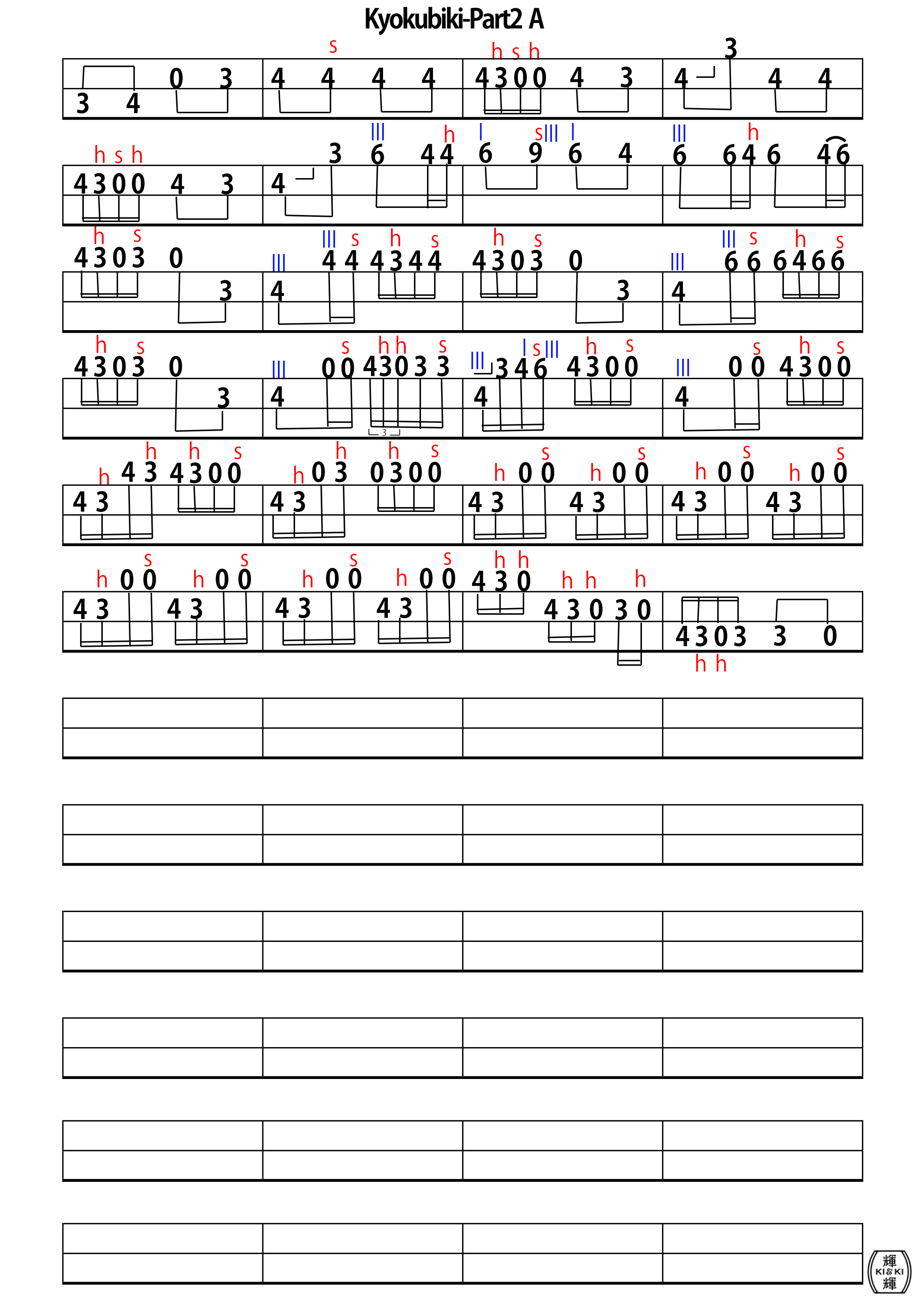
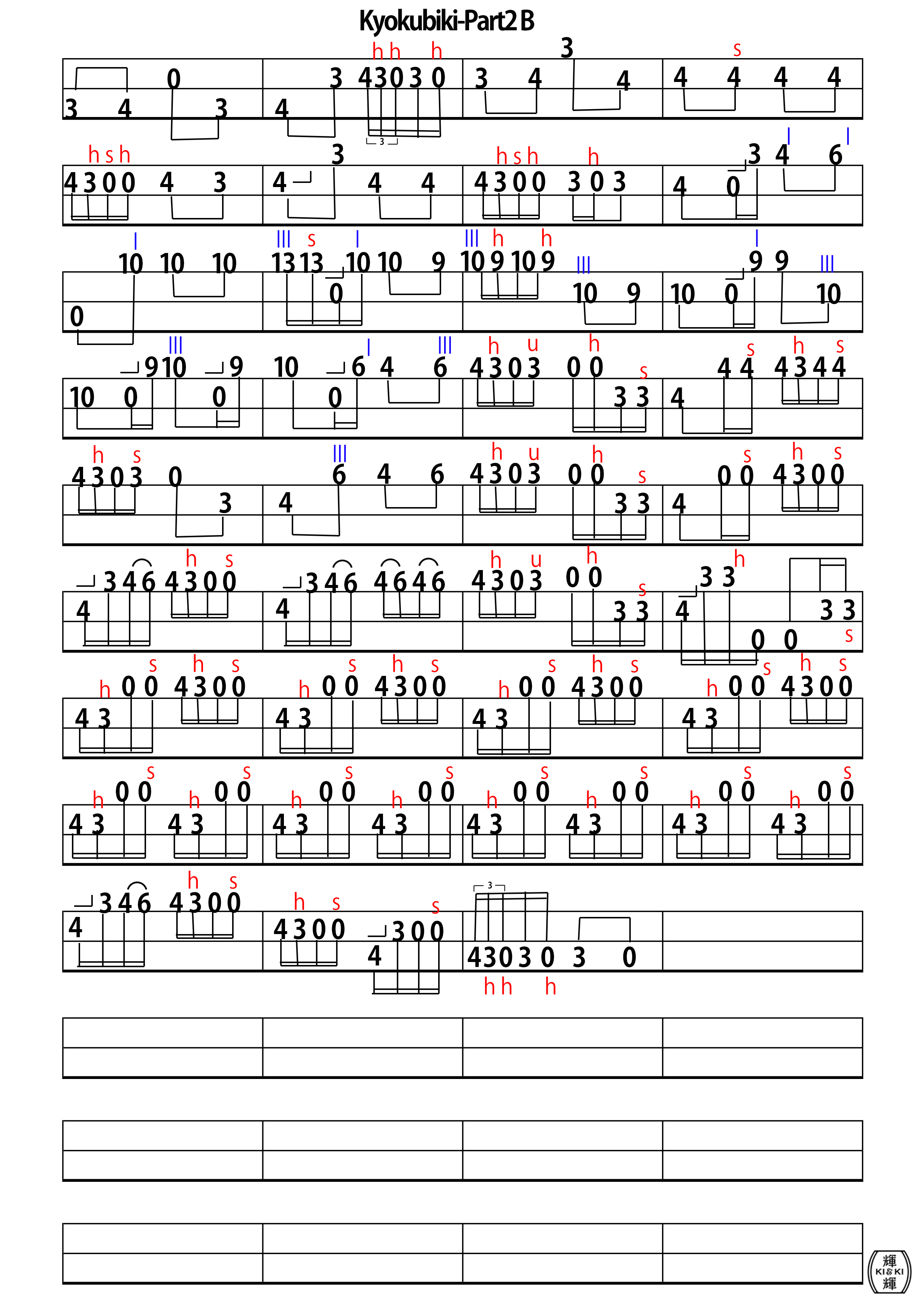
In this video, we cover the phrase that starts from the 1st string and 3rd string, and move until the first Tsuru-tere phrase. Since it has Bachizuke, it is important to make sure that Ushirobachi and Maebachi are clearly distinguished, and they are not reversed. Moreover, there will be some phrases with quick notes, and it is important to play carefully and beautifully so that all the notes can be heard.
We have prepared two patterns, A and B, as example phrases. It would be fun to practice only the one you prefer, or to practice both and study what phrases suit you best!
-------------------------------------------
今回の動画では一の糸から三の糸にわたり、一回めの盛り上がりとなるツルテレのフレーズに行くまでを見て行きます。撥付けが出てきますので、後ろ撥・前撥がしっかりできて、撥が逆にならないように気をつけることが大切です。細かいフレーズが出てくるので丁寧に綺麗に全ての音が聞こえるように演奏できることを目指しましょう。
フレーズ例としてA・B2つのパターンを用意しました。好きな方を練習する、または両方練習してどんなフレーズが自分に合うか研究してみるのも面白いですよ!
------------------------------------------
Vocabulary List
Kyokubiki - performing a piece on the shamisen alone, with no singing - Tsugaru Jongara Bushi is often referred to as ‘Kyokubiki’
Tsuru-tere - a phrase that combines Sukui or Hajiki with Tsubo 4 and 3 on the second string and the open string on the third string
Tuning - to adjust the pitch of the Shamisen
Niagari - the tuning with the first string in C, the second string in G, and the third string in C. The base note on the first string can be other notes than C, but the balance between the three strings remains the same
Bachizuke - to create rhythm by using Maebachi and Ushirobachi
Ushirobachi - to strike bachi at the lower part of shamisen body (closer to the Koma) to produce a change in sound dynamics and rhythm
Maebachi - to strike bachi at upper shamisen body (closer to neck) to produce a change in sound dynamics and rhythm
Tataki - to strike a string and shamisen body with bachi to produce sound
Sukui - producing sound through upstroke of the bachi
曲弾き(きょくびき) - 唄が入らず三味線だけで一曲演奏すること
ツルテレ - 二の糸の4、3のツボと三の糸の開放弦を使ってスクイやはじきを組み合わせたフレーズのこと
調弦 - 三味線の音程を調整すること
二上り - 一の糸をドにしたときに、二の糸がソ、三の糸がドになる調弦。一の糸をド以外にすることもあるが、三本の音の関係は変わらない
バチ付け - 前撥・後ろ撥を使ってリズムを出すこと
後ろ撥(うしろばち)- 三味線の胴の後ろの方 [駒(こま)に近い方] で音を出すこと
前撥(まえばち) - 三味線の胴の前の方 [棹(さお)に近い方] で音を出すこと
叩き(たたき) - バチで糸と皮を叩くようにして音を出すこと
スクイ - おろしたバチを糸の下から上に向かってすくい上げて音を出すこと