Home

 Creators
 Search
 Recent
 Random
 Posts
 DMs
 Tags
 Random
 Importer
 Import
 FAQ
 Account
 Register
 Login
 Favorites
 Keys
 Logout
 Telegram

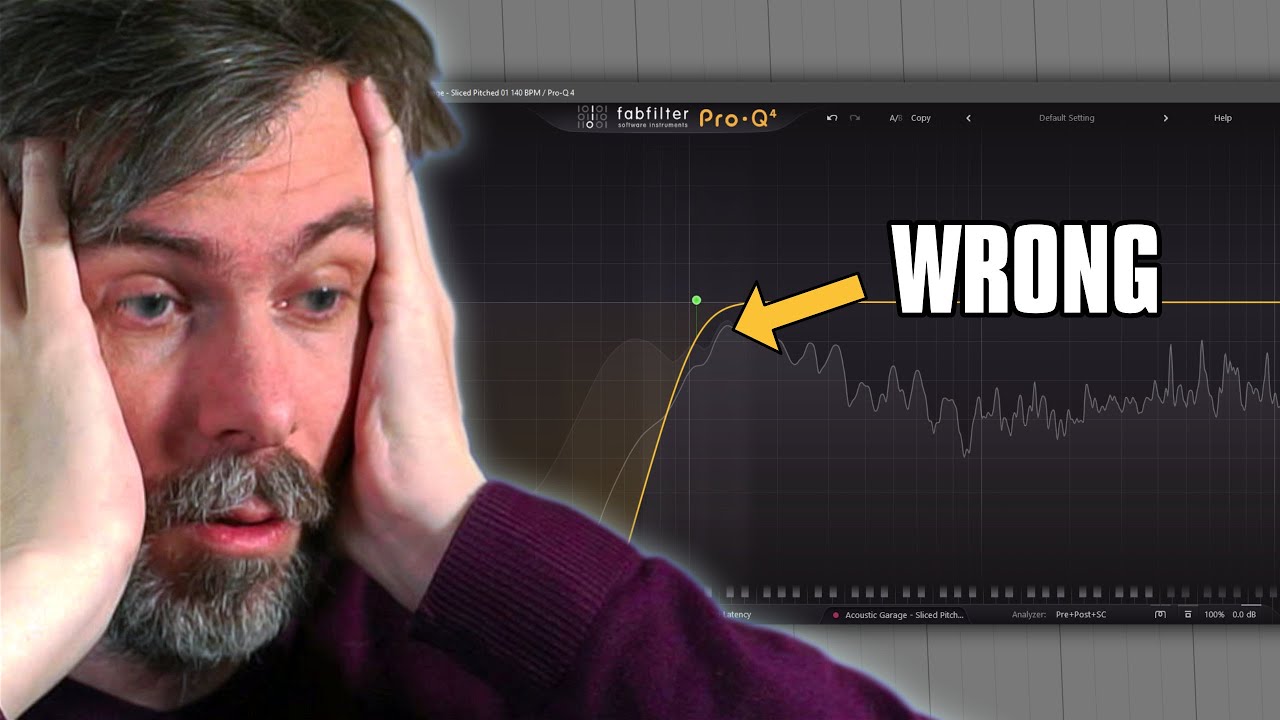
The EQ-Low Cut Myth (Patreon)
Content
I wanted to talk about some common audio production trends like always using low cuts, obsessing over side-chaining, or putting resonance removers on everything.
These rules are often taken out of context and don’t always apply; every mix is different and you have to make decisions based on what actually serves the sound.
There’s no universal process that works for all situations, and sometimes the techniques people are warning against can actually solve specific problems if you know why and when to use them.
Good production is really about listening, understanding the issue, and solving it in a way that makes sense for your track.
Avoid following production trends blindly; there is no universal rule for processes like low-cut, side-chaining, or resonance removal.
Low-cut filters have been both overused and misunderstood; the idea that they always ruin phase is false, as context and intent matter.
Side-chaining, while useful, gets unnecessarily complicated by beginners who may obsess over minor details that are not always relevant to their actual mix.
Removing all resonances with tools like Soothe can strip the unique character from sounds, leading to dull and lifeless audio.
Audio processing choices should be made in context; always listen and respond to your mix’s specific needs instead of rigidly applying generic solutions.
Theoretical phase cancellation problems between kick and bass are rare and often require artificially constructed scenarios to even become an issue.
Linear phase EQ introduces latency and pre-ringing artifacts, which can degrade drum sounds; zero-latency EQ with phase shift may actually help align elements when needed.
Most phase alignment and resonance problems come from multi-microphone recordings, not electronic music producers or home studio users.
Don’t fix what isn’t broken; always prioritize listening and problem-solving over applying default fixes or trendy solutions.