Home

 Creators
 Search
 Recent
 Random
 Posts
 DMs
 Tags
 Random
 Importer
 Import
 FAQ
 Account
 Register
 Login
 Favorites
 Keys
 Logout
 Telegram

[DEVBLOG#283] Hardweave and Hayweave (Patreon)
Content
Hey guys and gals and welcome to a short development blog about some new stuff we're adding to Vanilla Factions Expanded - Medieval 2!
Among the new armors added, we're adding something called a padded armor.
A thick, quilted garment designed to absorb impacts and provide moderate protection. Often used by foot soldiers or worn under heavier armor.
Insulation Factor - Cold: 1.2×
Insulation Factor - Heat: 0.2×
Armor Factor - Sharp: 0.5
Armor Factor - Blunt: 0.35
Armor Factor - Heat: 0.4
I've added this armor to add a low-tier level of armor you can craft when you don't want thick leather or plate armor. It can be crafted from any fabric (not leather), which means devilstrand, hyperweave and cloth.
This however meant we needed some new textiles, and medieval times was roughly the time when some new textiles were invented.
These materials bring fresh crafting opportunities, each with unique advantages and drawbacks. Let’s explore what makes them special!
Hardweave: The Tough Alternative to Cloth
Hardweave is a durable fabric made from woven smokeleaf threads. Designed as a more resistant alternative to cloth, it provides improved armor values while sacrificing some insulation properties. It is crafted by weaving 50 smokeleaf leaves into 25 Hardweave at a tailoring bench or crafting spot. We picked smokeleaf because it's technically hemp.
Key Features:
Higher Durability: With increased max hit points and resistance to damage, Hardweave is ideal for crafting sturdier garments.
Moderate Armor Protection: Offers 42% sharp resistance, 12% blunt resistance, and 46% heat resistance, making it useful for defensive gear.
Reduced Insulation: While stronger than cloth, Hardweave does not insulate as effectively, with only +12°C cold and heat insulation.
Flammability: Remains 100% flammable, so fire is still a concern!
Hayweave: The Desperate Survivor’s Fabric
Hayweave is a rough, brittle textile created from woven haygrass. It is a cheap, easily accessible alternative for colonies that lack other materials. However, it is highly flammable and lacks the durability needed for long-term use.
Key Features:
Low Durability: With only 70 HP, Hayweave deteriorates quickly and is not suited for high-end crafting.
Minimal Armor Protection: Provides 15% sharp resistance, 5% blunt resistance, and 10% heat resistance, making it a poor defensive choice.
Basic Insulation: Grants +6°C insulation for both heat and cold, which is better than nothing but significantly worse than cloth.
Highly Flammable: 200% flammability means this fabric catches fire extremely easily, making it a dangerous choice in combat scenarios.
If you’re looking for a more resilient fabric for medieval-style armor and equipment, Hardweave is your best bet. It provides decent protection without requiring advanced materials. On the other hand, Hayweave is best used in emergency situations where cloth or leather isn’t available—just be mindful of fire hazards!
Hardleather: The Resilient Leather Upgrade
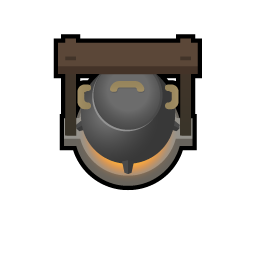
Hardleather is a reinforced leather material that combines the flexibility of traditional leather with enhanced toughness. It is crafted by treating standard leather with special hardening agents, making it a superior option for armor and durable equipment. You do it through the Boilpot structure - the process takes a while, but will turn patchleather (normally inferior) into a superior and more resilient hardleather.
Key Features:
High Durability: Hardleather boasts increased hit points compared to regular leather, allowing it to last longer in combat.
Improved Armor Protection: Provides 50% sharp resistance, 20% blunt resistance, and 40% heat resistance, making it excellent for light armor.
Moderate Insulation: With +14°C cold and heat insulation, it offers decent protection against harsh weather conditions.
Lower Flammability: Unlike Hardweave, Hardleather is only 50% flammable, making it a safer option for fire-prone environments.
That's it for now, I'll be back soon with more!
Files