 Home

 Creators
 Search
 Recent
 Random
 Posts
 DMs
 Tags
 Random
 Importer
 Import
 FAQ
 Account
 Register
 Login
 Favorites
 Keys
 Logout
 Telegram

Fixing Fashion and the problem with fashion (Patreon)
Content
For the past 2,5 yrs we've been working on a new project to tackle the global problem of fashion. Today Fixing Fashion is almost ready, we will release it to the world on April 19th.
Before the launch, we'll share a few more Fixing Fashion posts here on Patreon to share the research that went into it and get your feedback on the website, promo video and more.
Why? Today with this introductory article we want to shine some light on why we're even undertaking this huge project. For several years the fashion industry has been under fire for the problems it creates. Workers are exploited, factories are falling apart killing thousands due to bad regulations, overproduction to avoid empty inventories, a massive carbon footprint, water pollution and much, much more. The list goes on.
Many articles have been written, not much has changed. How is this still happening in 2021? Well.. as it turns out the fashion industry is very complex, few people profit heavily and millions of people livelihood depends on it. Its supply chain is global and madly complex making it very hard to trace where things are made, manufactured trends created unnecessary demand and, most importantly, with the current setup it generates huge profits for powerful companies. This means that there is little incentive to change the status quo from the top. Searching for solutions there might leave you with a bitter taste.
In 2021 there is constant and huge investments to keep this massive machine going, no matter the consequences. Sure it's not easy, but it also seems fixable. Let's dive into it step by step, starting with the production.
1. Producing clothes
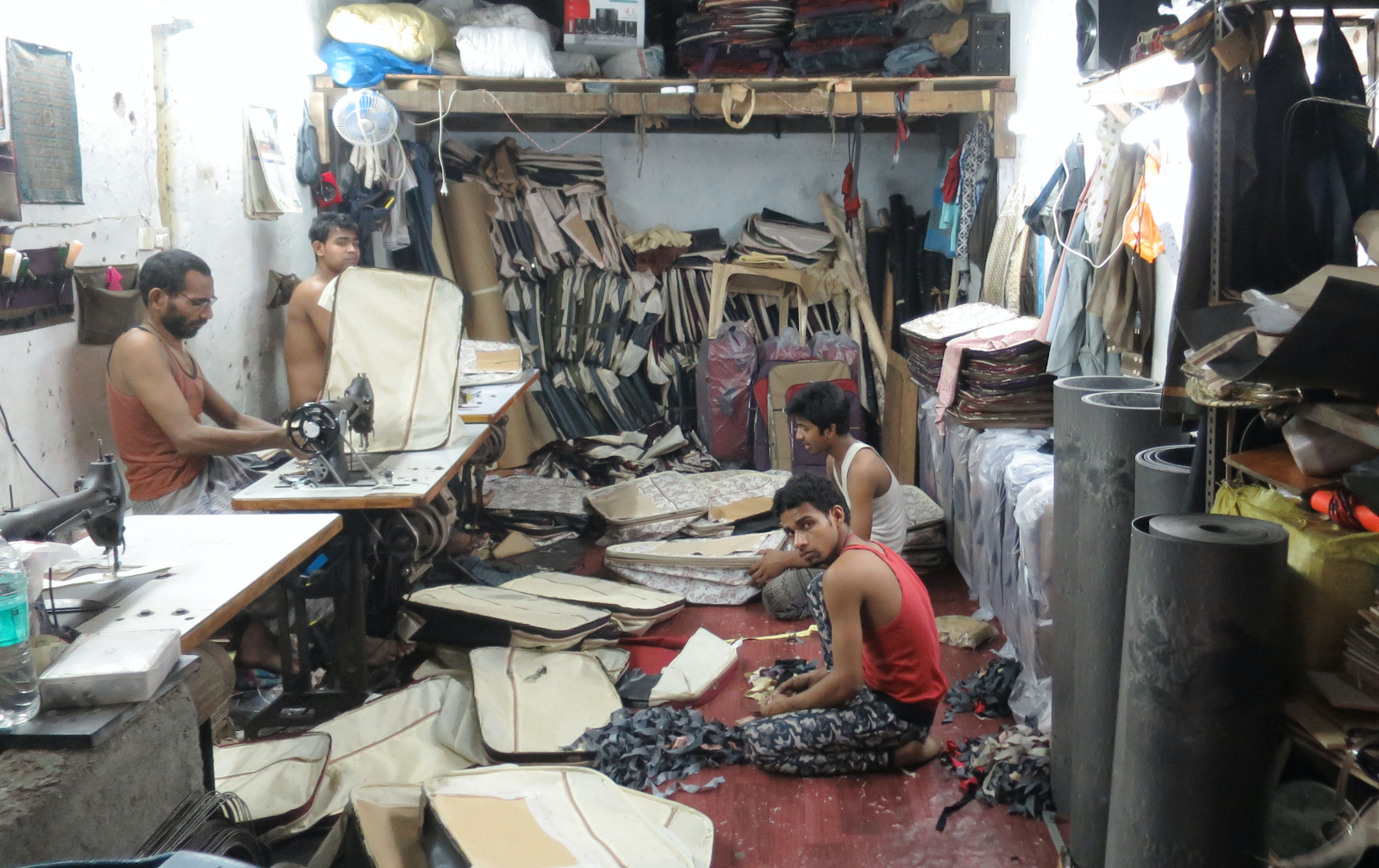
Production of our clothes happens most of the time in developing countries. Wages are low, material costs less and there are fewer regulations. Lax regulations translate into many cases of water pollution, environmental degradation, exploitation and unhealthy work conditions. Damaging the local environment and the people working in the industry.
The main reason for all of this is simply that it’s cheaper. Yep cheap has it consequences but it makes it possible to produce clothes for a fraction of what it would cost in a developed country. It is cheaper to produce clothes on the other side of the world, ship it in a boat and move it in trucks than producing locally in developed countries.
Did you know?In Bangladesh, the legal minimum wage for workers in the fashion and textile industry is €16 per month, which is around 0,50 cents a day for 14-16 hours a day. Actual living wage in Bangladesh for a single person is €72 per month.
2. Consuming clothes
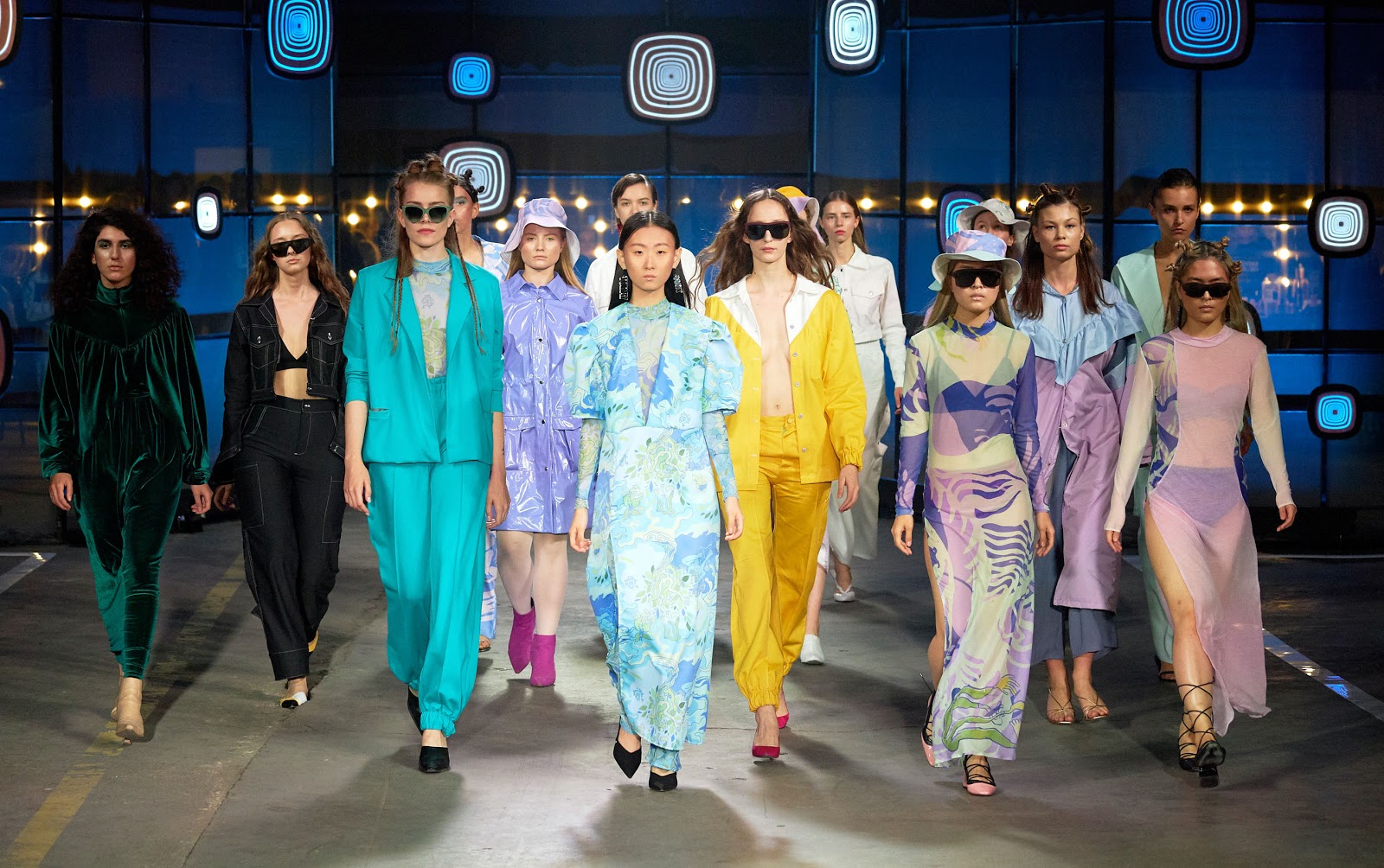
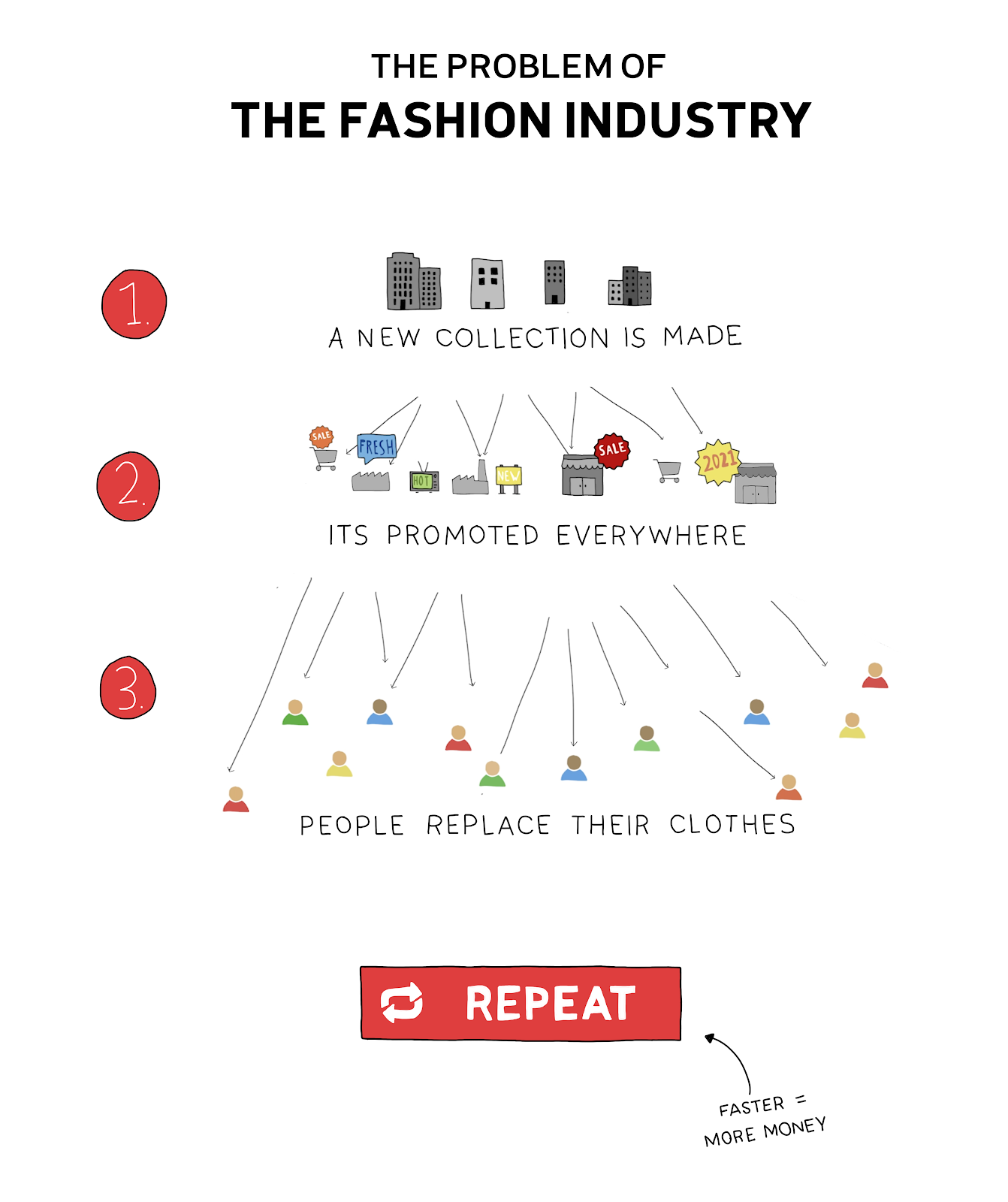
After clothes are produced and shipped to stores and warehouses in developed countries they need to be sold. Selling clothes = money. So companies want us to buy more clothes. They do this by creating new collections and bombarding us with ads. A new collection makes the previous collection “out of fashion”.
As a result, people don't replace clothes because they are broken, don't function anymore, or because they have gotten much better. They replace them because they look old fashioned.
Did you know?The average person buys 60 per cent more items of clothing and keeps them for about half as long as 15 years ago.
3. Disposing clothes
These new collections mean we replace our clothes regularly for new ones that look more trendy. They go out f the door when they still function properly, there is nothing really wrong with them. Nowadays you can find many “Clothing Donation Boxes”. Places where you can dispose of your unwanted clothes in a container for goodwill to get recycled or reused. But is it really? Let's have a look at those two options.
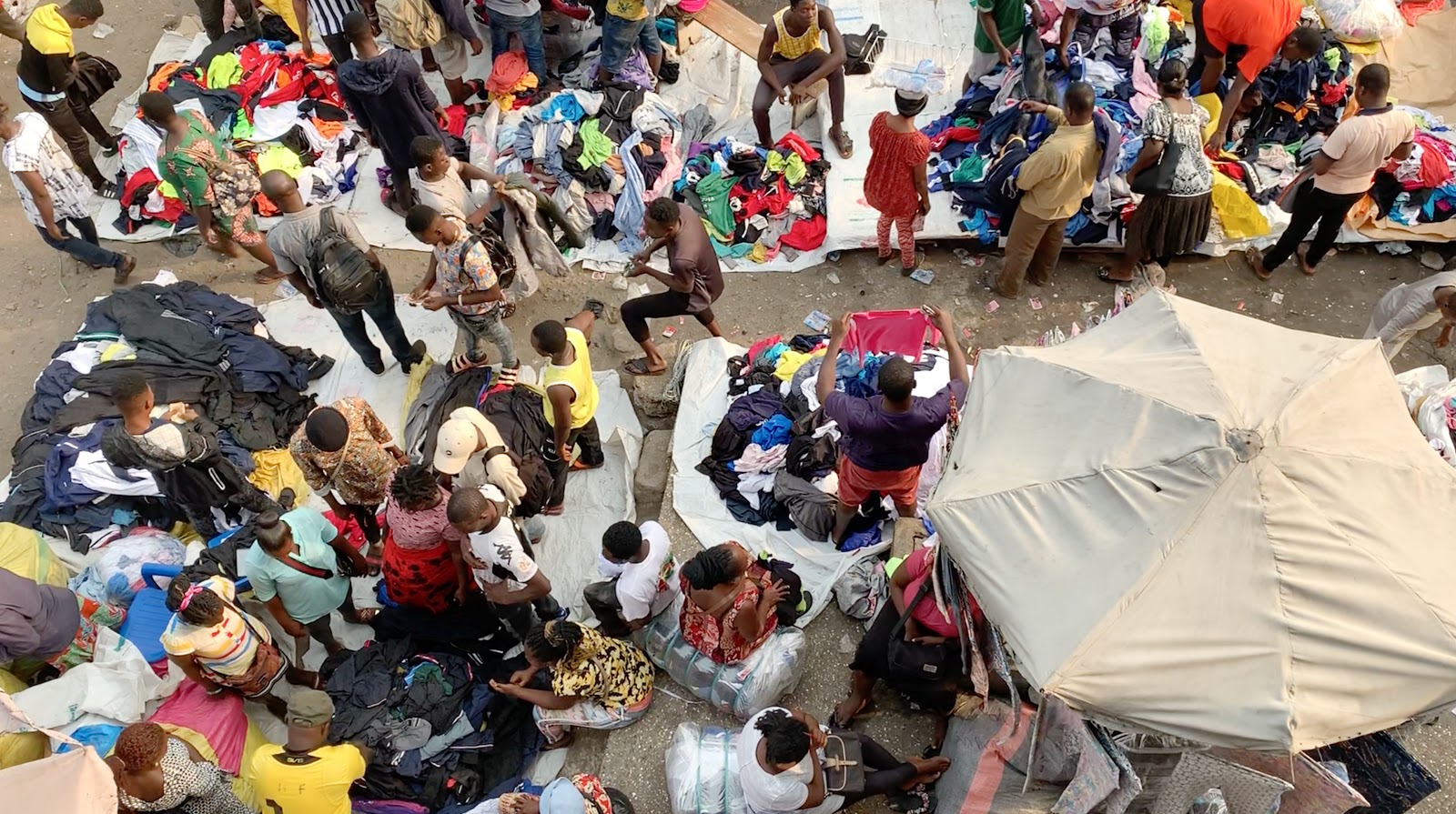
Reusing: Reusing clothes is a great option to increase their lifespan. But many second-hand stores on this planet have a surplus of clothes, they get more in than they can sell. Incoming clothes get filtered: good quality is kept, lower qualities are sold back to developing countries, like Ghana and India damaging local economy and their environment.
Recycling: The harsh reality is that very little of our clothes get recycled, mainly because they are all made from different materials. Polyester, Cotton, Viscose, Wool etc. And everything gets thrown out mixed together. From shirts to underwear and pyjamas. On top of that within one single piece of clothing often different materials are used.
Facts: In 2019, over 60% of our garments are made from synthetic materials like polyester, polyamide etc. Also known as plastic. On average, one person throws away 34 kilograms of textile per year.
The root of the problem
The three realities above give an overview of the cycles of our clothes. There are clearly many things to improve, like making the production more sustainable, or making sure we can recycle them better. And these are important topics companies work on (or at least should). Releasing a new collection that is organic, or made fairtrade.
However, fashion brands don’t (won't and can't) tackle the fundamental root problem. They continue to fuel the engine of “producing more clothes”. Clothes that weren’t needed in the first place. It’s time to keep those valuable clothes longer, reuse them and take proper care of them. But this change isn’t going to come from the fashion industry. They are not going to promote this on billboards and advertisements. It has to come from the people. From you and me.
💫 Hope
The fashion problem isn’t going to be solved by businesses that want to sell you more stuff. It’s up to us, the people, to make this change. The cool thing about fashion is that it can change. It's made by humans.
But just like companies fuel new trends, we can set our own trends. Making fixing, repair and upgrading your clothes the new trend. That's what we are going to try with our new project: #fixingfashion launching on April 19th.
Stay tuned for more coming soon!
Files
Previews only

