Home

 Creators
 Search
 Recent
 Random
 Posts
 DMs
 Tags
 Random
 Importer
 Import
 FAQ
 Account
 Register
 Login
 Favorites
 Keys
 Logout
 Telegram

February 2026 Mexica tier Request (Patreon)
Content
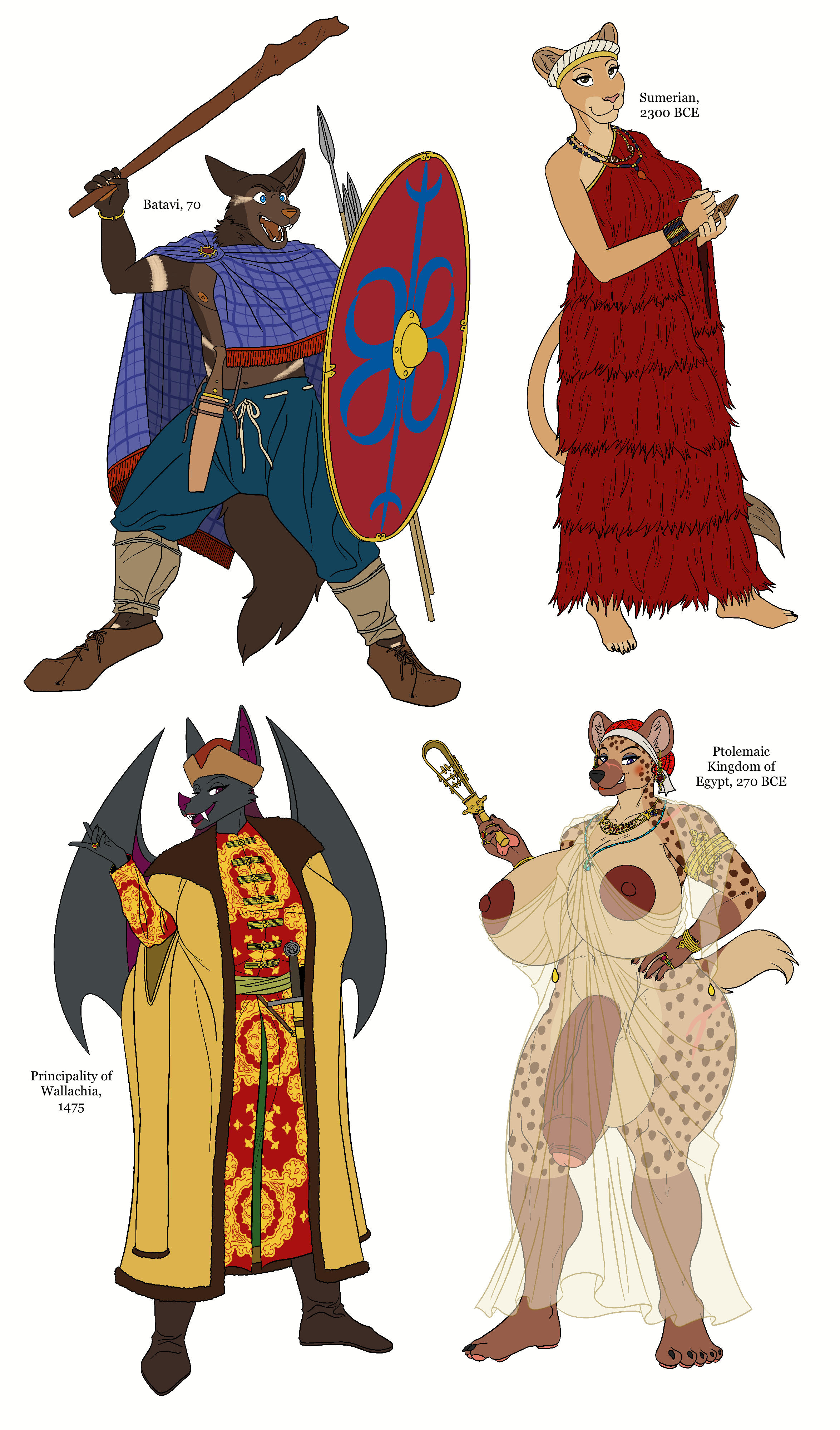
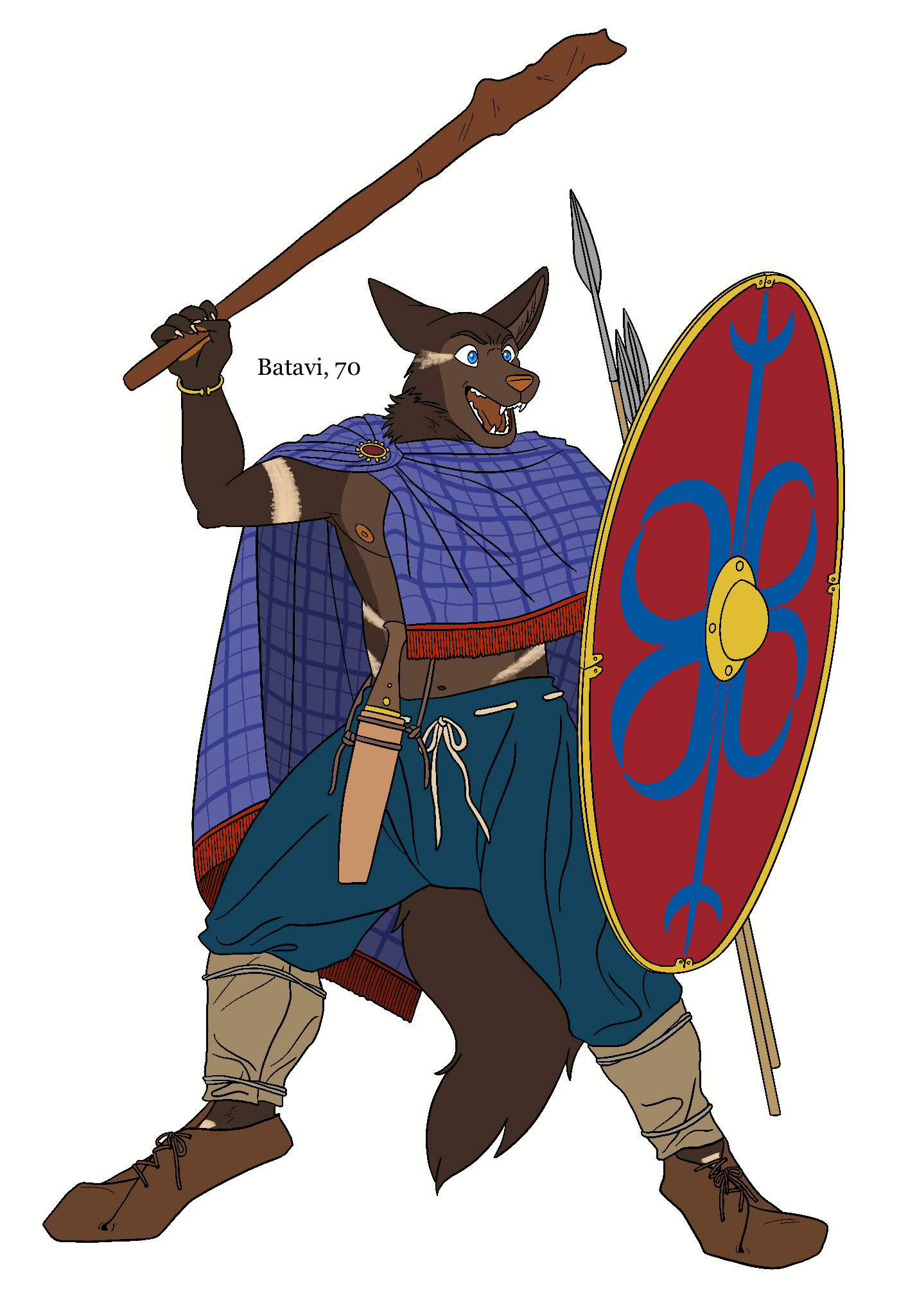
Bingturong : Batavi (Germanic), 70
Wooden shields and dagger from Hjortspring boat, 4th century BCE
Leg wraps and shoes from Søgaards Mose, 1st century
Trousers from Thorsberg bog, 1~4th century
Peter Wilcox, G.A.Embleton, Rome’s Enemies 1: Germanics and Dacians, Osprey, 1982
Raffaele D’Amato, Imperial Roman Naval Forces 31 BC-AD 500, Osprey, 2009
Aleksei Moskvin, Martijn A. Wijnhoven, Mariia Moskvina, The equipment of a Germanic warrior from the 2nd–4th century AD: Digital reconstructions as a research tool for the behaviour ofarchaeological costumes, Journal of Cultural Heritage 49(3), 2021
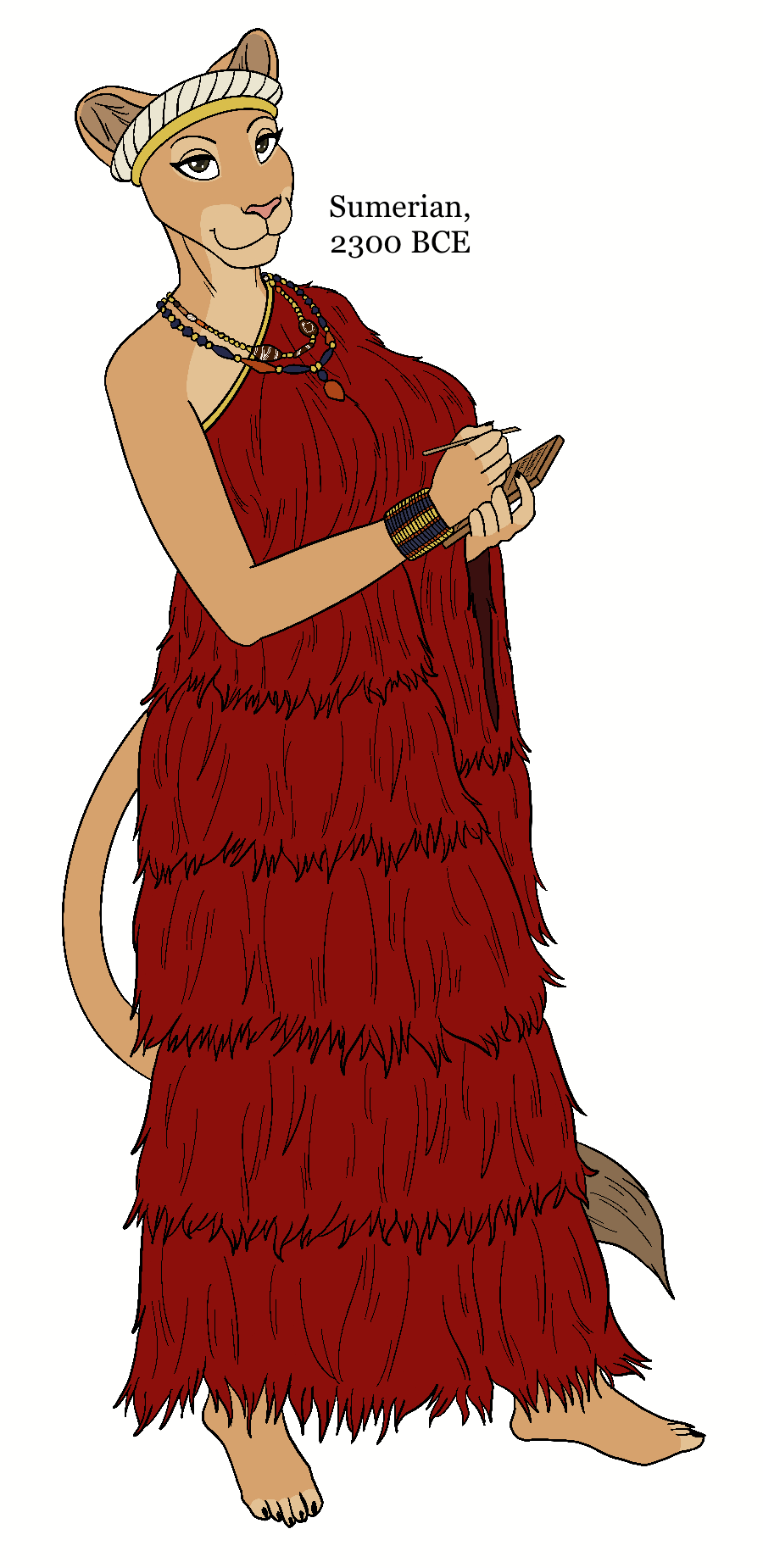
TulipFarthing : Ur (Sumerian), 2300 BCE
The Disk of Enheduanna, Ur, 2300 BCE
Necklaces from the Royal Cemetery of Ur, 2300 BCE
Statue of a Sumerian Woman, British Museum, 2400 BCE
Statue of enthroned woman with tablet on lap, Ur, Alabaster Staatliche Museen Zu Berlin, 2112–2004 BCE
Vespera Draco : Principality of Wallachia, 1475
Silk kaftan from the Bistriţa monastery, National Museum of Art of Romania, 1480-1490
Frescoes (donor portraits) from Snagov Monastery, Romania. 16th century
Irina Petroviciu, Jan Wouters, Ina Vanden Berghe, Ileana Cretu. Dyes in some textiles from the Romanian Medieval Art Gallery, The Diversity Of Dyes In History And Archaeology. 2020
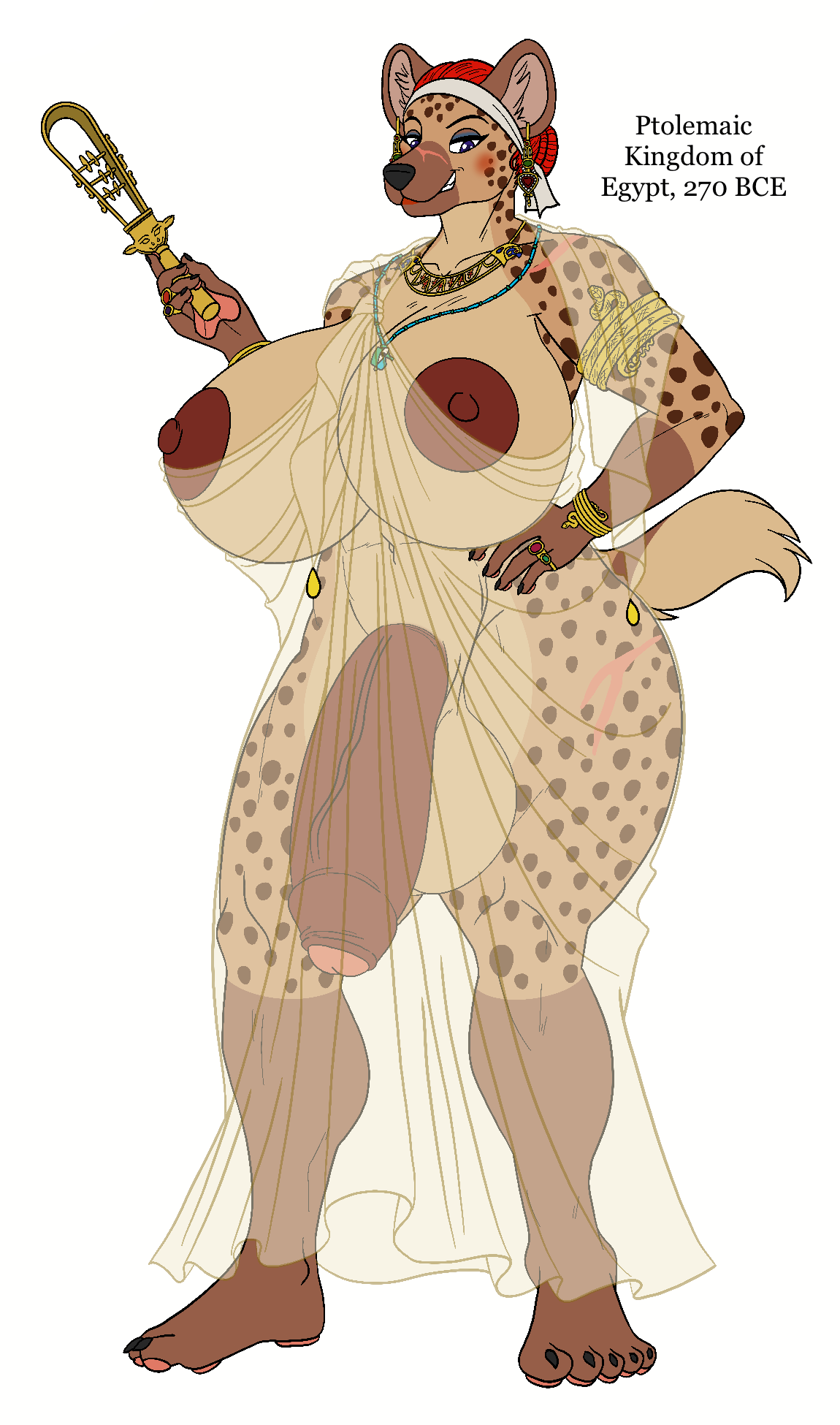
Cosmo Cassamassa : Ptolemaic Kingdom of Egypt, 270 BCE
Gold Funerary Necklace with Horus and Ankh motifs, Fondation Gandur pour l'Art, 4th~1st century BCE
Bronze Sistrum, Walters Art Museum, 380-250 BCE
Statue of Arsinoe II from Canopus, 3rd century BCE
Pair of gold earrings with an Egyptian Atef crown set with stones and glass, Metropolitan Museum of Art, 3rd-2nd century BCE
Collection of Ptolemaic Jewellery (snake bracelets, rings inset with intaglios), J. Paul Getty Museum, 225-175 BCE
Statuette of Arsinoe II for her Posthumous Cult, Metropolitan Museum of Art, 150–100 BCE
Egyptian Faience Bead Necklace, Cattaui Family Collection, 1st century BCE
Files