Home

 Creators
 Search
 Recent
 Random
 Posts
 DMs
 Tags
 Random
 Importer
 Import
 FAQ
 Account
 Register
 Login
 Favorites
 Keys
 Logout
 Telegram

Shinkyubushi (Tsugaru Jongara Bushi) | Maeuta -- 津軽じょんがら節 新旧節 | 前唄 (Patreon)
Downloads
Content
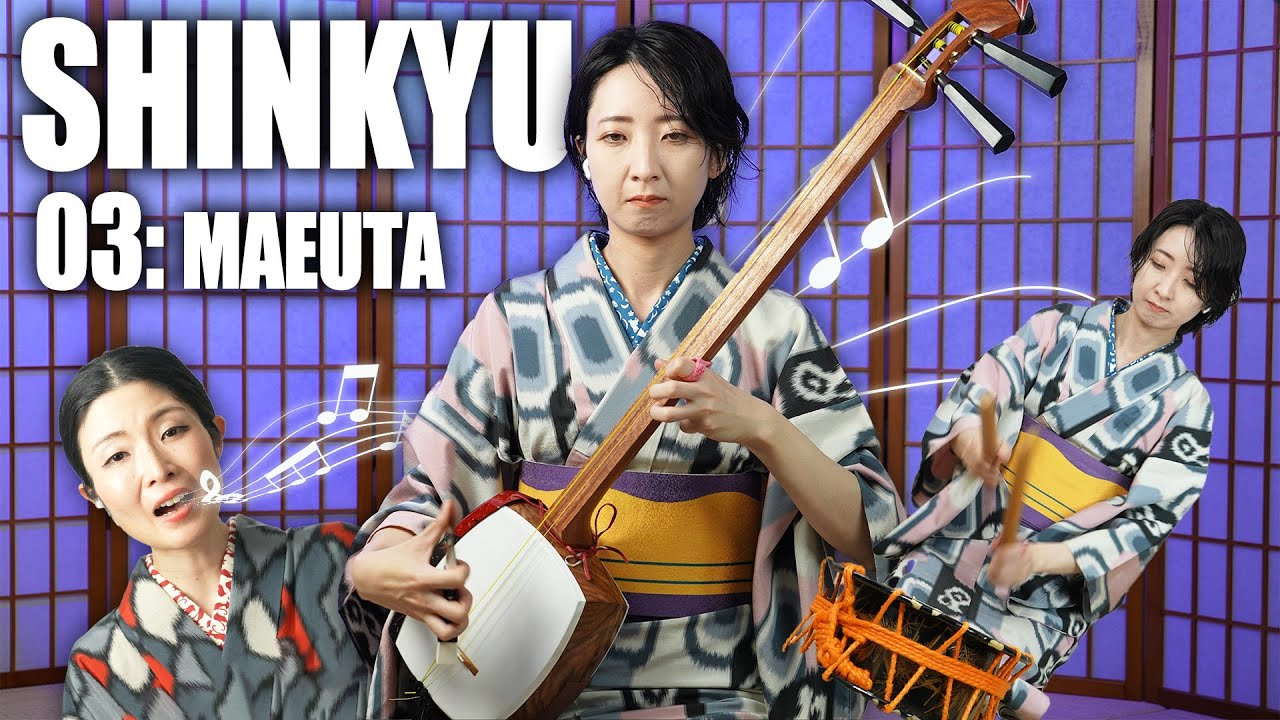
This is the lesson on the vocal accompaniment for Shinkyubushi (Tsugaru Jongara Bushi). In this video, we cover the Maeuta (singing) part.
Now it is time to practice the accompaniment part for the song. Let’s start by having the Maeuta phrase memorized. What’s important in vocal accompaniment is not getting every note correct, but being able to play in harmony with the song. The timing of Bachi is particularly important, so be careful not to play too fast or too slow.
It is also important to be able to imagine what kind of song it is, so watch the example video multiple times and get the feel for the atmosphere of the song.Review previous Shinkyubushi lessons from here!Introhttps://bit.ly/3WGyFVYTaikohttps://bit.ly/3ApmoxLMaeutahttps://bit.ly/3BbpXYw
Check out Tsugaru Jongara Bushi in detail:https://www.patreon.com/posts/types-and-of-jin-105985229?utm_medium=clipboard_copy&utm_source=copyLink&utm_campaign=postshare_creator&utm_content=join_link
--------------------------
今回は津軽じょんがら節新旧節の唄付けのレッスンです。この動画では前唄の部分について説明しています。
いよいよ唄の伴奏部分のお稽古です。まずは前唄を覚えましょう。唄付けで大切なことは、1音も間違えないことではなく唄にしっかりと寄り添って演奏できているかということです。特に撥づけの間が重要になってくるので、速くなったり間延びしたりしないように意識しましょう。
まずはどんな唄かをイメージできることも大切なので、何度もお手本動画を見て唄の雰囲気を覚えてみましょう。
津軽じょんがら節 新旧節 | 前奏レッスン動画https://bit.ly/3WGyFVY
津軽じょんがら節 新旧節 | 太鼓レッスン動画https://bit.ly/3ApmoxL津軽じょんがら節 新旧節 | 前唄レッスン動画
津軽じょんがら節についてはこちらのポストでも詳しく説明していますので、合わせてご覧ください。https://www.patreon.com/posts/types-and-of-jin-105985229?utm_medium=clipboard_copy&utm_source=copyLink&utm_campaign=postshare_creator&utm_content=join_link
--------------------------
Vocabulary List
Maeuta / Kaminoku (upper verse) - the first half of a Minyo (folk song)
Tuning - to adjust the pitch of the Shamisen
Niagari - the tuning with the first string in C, the second string in G, and the third string in C. The base note on the first string can be other notes than C, but the balance between the three strings remains the same
Urama - the unique concept of beats in Minyo (folk music). Urama always comes after Omotema
Bachizuke - to create rhythm by using Maebachi and Ushirobachi
Maebachi - to strike bachi at upper shamisen body (closer to neck) to produce a change in sound dynamics and rhythm
Ushirobachi - to strike bachi at the lower part of shamisen body (closer to the Koma) to produce a change in sound dynamics and rhythm
Tsubo - positions on Sao (shamisen neck) that indicate where to hold strings with the string-hand fingers to determine musical scale of sound
前唄(まえうた) / 上の句(かみのく)- 民謡の唄の前半
調弦 - 三味線の音程を調整すること
二上り - 一の糸をドにしたときに、二の糸がソ、三の糸がドになる調弦。一の糸をド以外にすることもあるが、三本の音の関係は変わらない
バチ付け - 前撥・後ろ撥を使ってリズムを出すこと
前撥(まえばち) - 三味線の胴の前の方 [棹(さお)に近い方] で音を出すこと
後ろ撥(うしろばち)- 三味線の胴の後ろの方 [駒(こま)に近い方] で音を出すこと
ツボ - 音程を決めるために左手の指で弦を押さえる棹(さお) の場所のこと。1~20まである