Home

 Creators
 Search
 Recent
 Random
 Posts
 DMs
 Tags
 Random
 Importer
 Import
 FAQ
 Account
 Register
 Login
 Favorites
 Keys
 Logout
 Telegram

Tsugaru Jongara Bushi - Kyokubiki | 1st String -- 津軽じょんがら節 曲弾き | 一の糸 (Patreon)
Downloads
Content
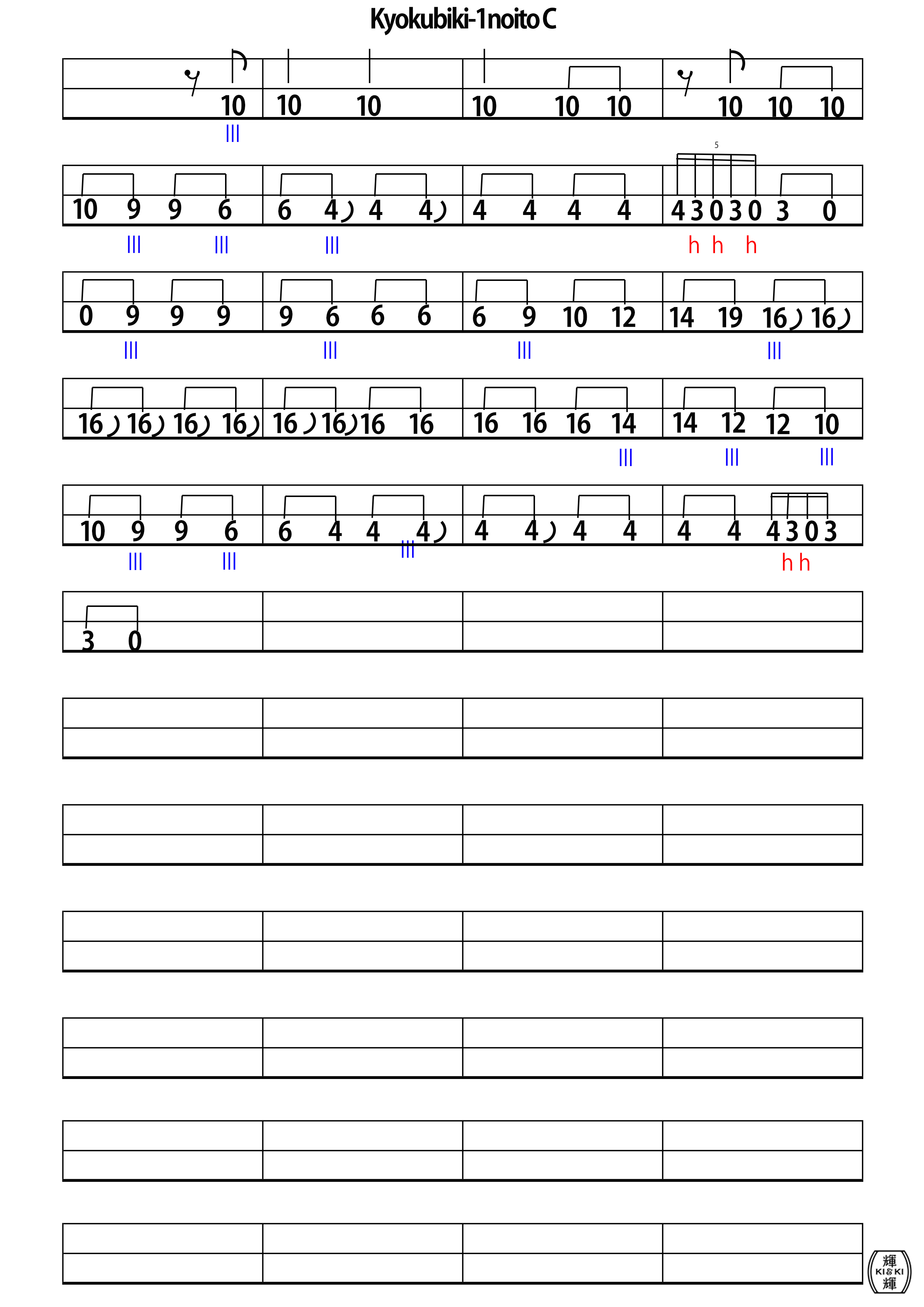
This video gets us started and covers the 1st string phrase of Kyokubiki of Tsugaru Jongara Bushi. Since this is the beginning of the song, it is essential to swing your Bachi firmly through to the skin to produce an impactful and strong sound. Also, the timing of Yuri can be difficult at first, so we suggest you watch the following 2 videos once again to review the finer details of "Tataki" and "Yuri".
Tataki: https://www.patreon.com/posts/59619997?utm_campaign=postshare_creator
Yuri: https://www.patreon.com/posts/70408510?utm_campaign=postshare_creator
We have prepared 3 different patterns, A, B, and C, as examples of the starting phrase. Let's find your favorite phrase to start your Kyokubiki! or if you can..just try all the patterns!!
-------------------------------------------
今回のレッスンでは、津軽じょんがら節 曲弾きの最初の一の糸のフレーズを見ていきましょう。曲の始まりの部分になりますので、しっかりと皮まで撥を振り抜いて大きなインパクトのある音を出すことが肝心です。また、ユリのタイミングも最初は難しいと思うので、今一度こちらの動画を見て「たたき」と「ユリ」の細かい部分も見直してみると良いと思います!
たたき: https://www.patreon.com/posts/59619997?utm_campaign=postshare_creator
ユリ: https://www.patreon.com/posts/70408510?utm_campaign=postshare_creator
フレーズ例としてA・B・Cと3つの違う出だしを用意してみました。お気に入りの始まり方を見つけてみましょう!余裕のある方はぜひ全部のパターンにチャレンジしてみてくださいね!
------------------------------------------
Vocabulary List
Kyokubiki - performing a piece on the shamisen alone, with no singing - Tsugaru Jongara Bushi is often referred to as ‘Kyokubiki’
Tuning - to adjust the pitch of the Shamisen
Tataki - to strike a string and shamisen body with bachi to produce sound
Urama - the unique concept of beats in Minyo (folk music). Urama always comes after Omotema.
Ushirobachi - to strike bachi at the lower part of shamisen body (closer to the Koma) to produce a change in sound dynamics and rhythm
Bachizuke - to create rhythm by using Maebachi and Ushirobachi
Omotema - the unique concept of beats in Minyo (folk music). The first beat is always Omotema.
Sanmaibachi - a triple Tataki of one note within one Haku (beat) to produce sound
Tsubo - positions on Sao (shamisen neck) that indicate where to hold strings with the string-hand fingers to determine musical scale of sound
Yuri (Vibrato) - holding and vibrating your string hand after striking bachi to prolong vibrato sound
Suri - to slide across Tsubo on a string with index/ring finger to produce a sliding sound
曲弾き(きょくびき) - 唄が入らず三味線だけで一曲演奏すること
調弦 - 三味線の音程を調整すること
叩き(たたき) - バチで糸と皮を叩くようにして音を出すこと
裏間(うらま) - 民謡にある独特の拍の概念。表間の後に来る拍
後ろ撥(うしろばち)- 三味線の胴の後ろの方 [駒(こま)に近い方] で音を出すこと
バチ付け - 前撥・後ろ撥を使ってリズムを出すこと
表間(おもてま) - 民謡にある独特の拍の概念。一拍目にあたる
三枚撥 - 1拍の間で叩き(たたき)を三連打して音を出すこと
ツボ - 音程を決めるために左手の指で弦を押さえる棹(さお) の場所のこと。1~20まである
ゆり(ビブラート) - バチで音を出してから左手を揺らして音の余韻を伸ばすこと
すり - 左手の人差し指や薬指で糸をスライドさせて音を出すこと