Home

 Creators
 Search
 Recent
 Random
 Posts
 DMs
 Tags
 Random
 Importer
 Import
 FAQ
 Account
 Register
 Login
 Favorites
 Keys
 Logout
 Telegram

Rakan / Arhat Statues -- What are they? (Patreon)
Content
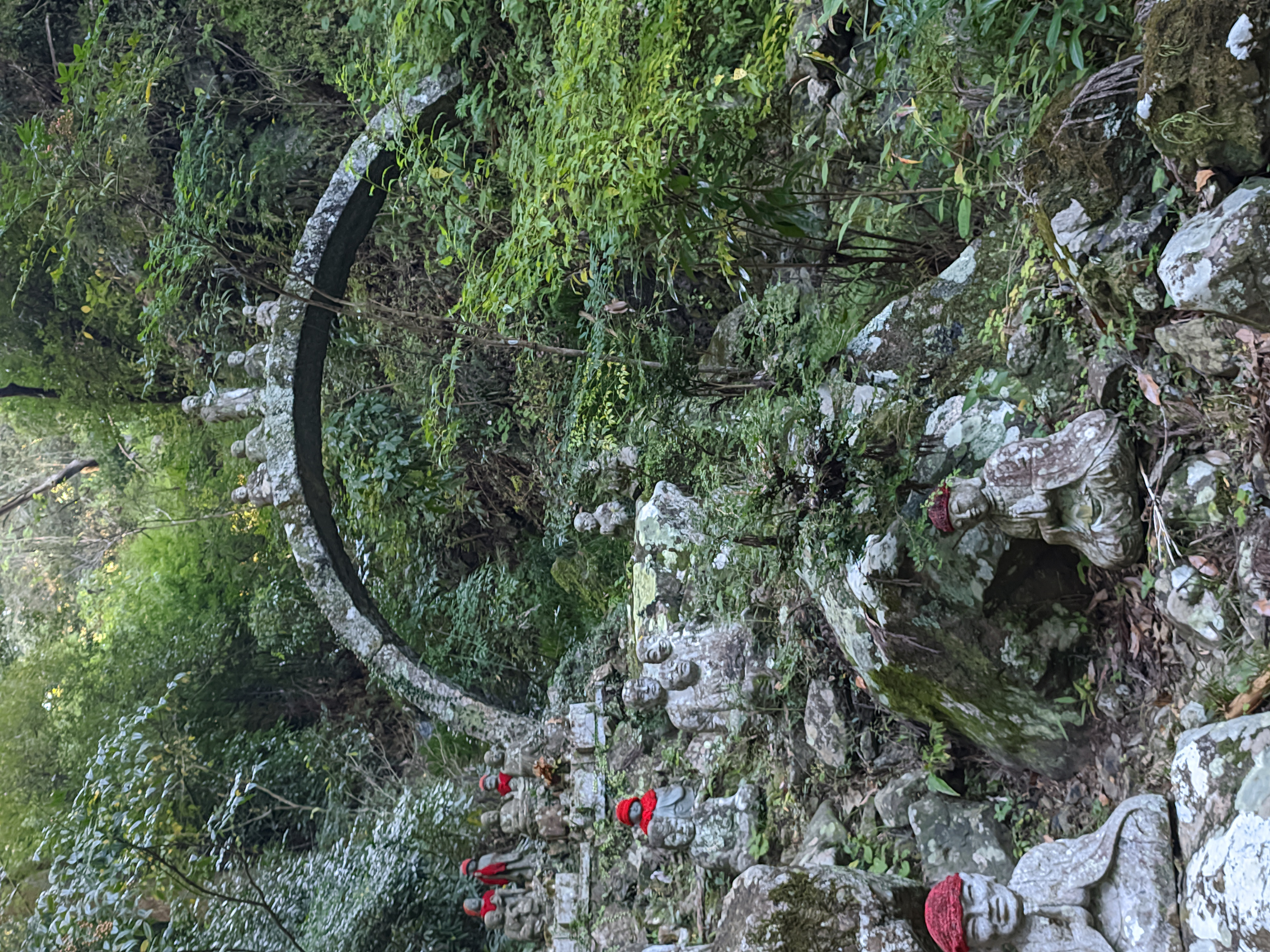
First, how many statues do you see on that curved bridge in the above photo? I see five. But this is kind of a Nana Fushigi Mysterious Spot and depending on the day and person you can see anywhere from three to five. The statues are cemented on the bridge so they can't be moved willy nilly. It just seemed like on some days some decide not to appear. This must have been a lucky day, because last time I came years ago I only saw four.
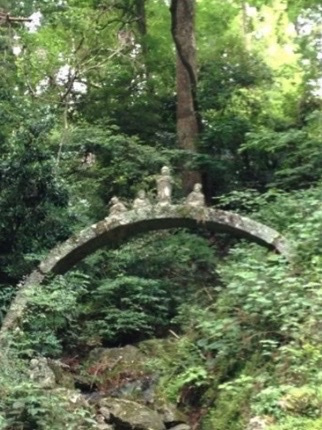
I found a photo on the Internet that someone posted, only four. Clearly the fellow on the far right wasn't in attendance.
It seems that most of the times you visit a temple in Japan and find all the little, moss covered statues you assume (like I did) they are all ojizo statues.
But actually there's another kind of statue with a whole lot more personality.
In Japanese they're called rakan/羅漢. Rakan means "worthy" and is the highest title given to a disciples of Zen Buddhism.
In English we'd use the Sanskrit word and call them arhats. They are the enlightened disciples of Buddha. Arhats are ascetics who act as guardians as well as preserving and proclaiming the Buddhist Law from the death of Shakyamuni (the historical Buddha) and Maitreya (the coming Buddha of the future).
They have reached mugaku/無学, "nothing else to learn" and have slain their greed, anger, delusions and gotten rid of all their karmic gunk from previous lives. No more attachments!
What I absolutely love about them, though, is how expressive, lively, and often silly they are. Every statue is utterly unique and you can really feel that this was a person who I'd probably like to hang out with or at least talk to. There is such an endearing lighthearted spirit to all the carvings.
I learned that Japanese artists like to present rakan in groups of 16, 18, 500. Houkouji/方広寺 had a meandering path through the forest behind the temple that was said to have 500.
https://www.inhamamatsu.com/culture/okuyama-houkouji.php
Why 500? One explanation is because there were five hundred disciples around when the historical Buddha gave the Flower Sutra on Vulture's Peak.
There's another place called Gohyaku Rakanji/五百羅漢時 in Tokyo that is quite well known for its statues. The five hundred arhats were created in the span of ten years by the monk and sculptor Shoun Genkei (1648-1710).
And then another temple in Kyoto in the Arashiyama district. It's called Otagi Nenbutsu-ji. This poor temple has been destroyed by floods, burned in the thirteenth century, and damaged by typhoons.
https://www.insidekyoto.com/otagi-nenbutsu-ji-temple
The damage done from a 1950 typhoon was finally completed in 1981. To honor this milestone, worshippers donated rakan statues to the temple. The well known sculptor, Kocho Nishimura, taught sculptors (both amateurs and professionals) how to carve rakan. So that now there are hundreds of very curious, wonderful, and strange statues. If you visit, try to find the surfing Buddha, the saxophone player, and the one doing a handstand. There are more!
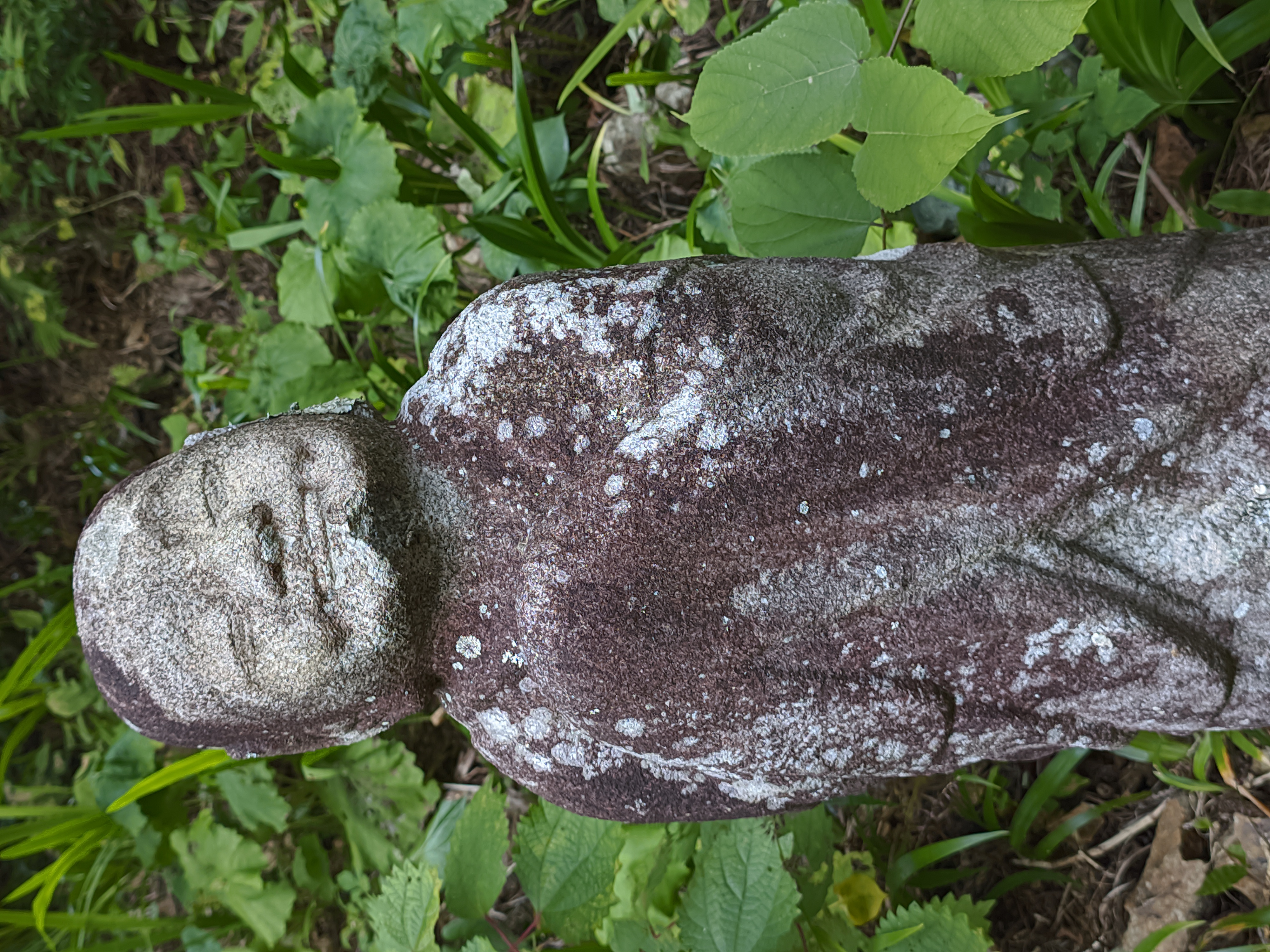
But anyway, here are some of the charming faces I ran across at Hōkōji.
This happy fellow holding a cat.
I just love this expression so much. Enjoying the sun on his face.
The guy in the foreground, why is he looking behind him. Just now looking at it, maybe there was something on the ground, buried in the grass I should have seen.
Below is just a whole bunch, various tools and implements, hand gestures and emotions.
I liked this guy's nose and kind face.
Okay, I'll stop here. XO,
terie
Files