Home

 Creators
 Search
 Recent
 Random
 Posts
 DMs
 Tags
 Random
 Importer
 Import
 FAQ
 Account
 Register
 Login
 Favorites
 Keys
 Logout
 Telegram

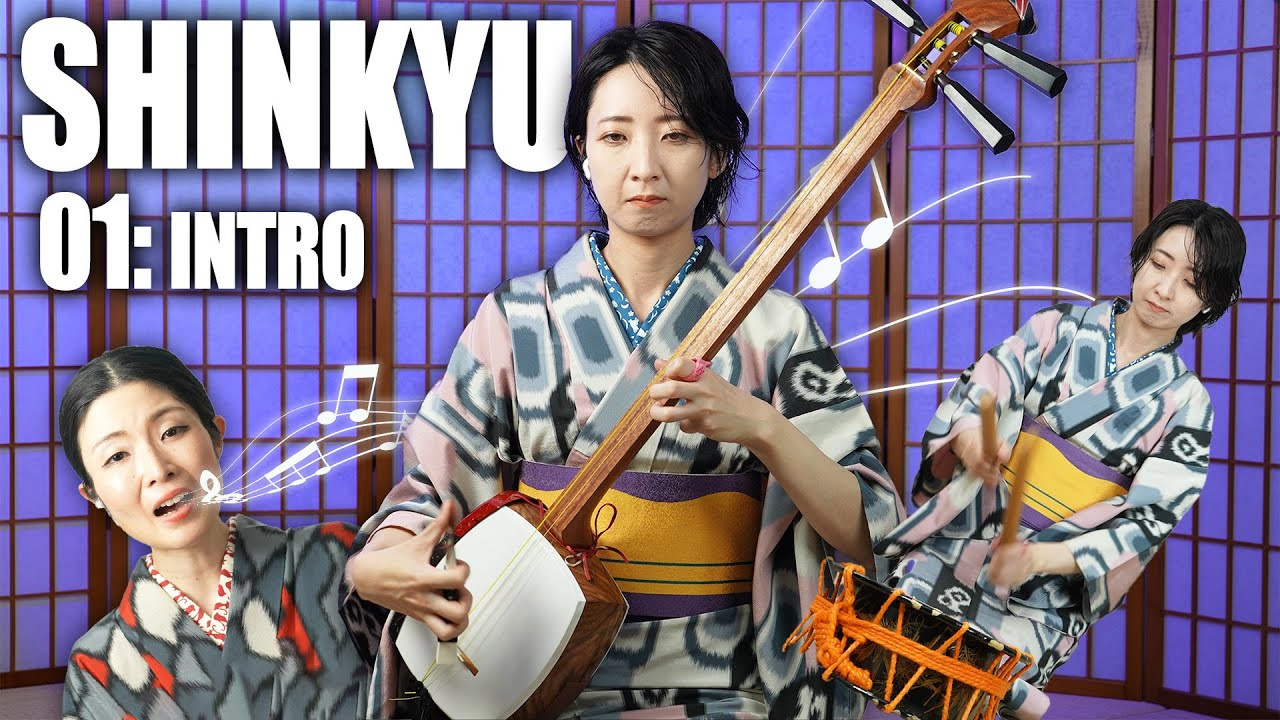
Shinkyubushi (Tsugaru Jongara Bushi) | Intro -- 津軽じょんがら節 新旧節 | 前奏 (Patreon)
Content
This is the lesson on the vocal accompaniment for Shinkyubushi (Tsugaru Jongara Bushi) which directly translates as ‘new and old verse’. In this video, we cover the intro part.
Tsugaru Jongara Bushi is one of Tsugaru Godai Minyo (the five major Tsugaru folk songs), and it may seem a bit more challenging than other folk songs. However, challenging yourself with the vocal accompaniment for Tsugaru Godai Minyo will greatly expand your understanding of the Tsugaru Shamisen as an accompaniment. Advanced players, please take the lead and give it a try.
For beginners, even if you can not play it yet, knowing what kind of song it is can set goals for the future!
Check out Tsugaru Jongara Bushi in detail:https://www.patreon.com/posts/types-and-of-jin-105985229?utm_medium=clipboard_copy&utm_source=copyLink&utm_campaign=postshare_creator&utm_content=join_link
-------------------------------今回は津軽じょんがら節新旧節の唄付けのレッスンです。この動画では前奏部分について説明しています。
津軽じょんがら節新旧節は津軽五大民謡と言われる民謡で今までの民謡より少し難しく感じるかもしれません。しかし、五大民謡の唄付けにチャレンジしていくと伴奏としての津軽三味線の理解が一気に広がります。上級者の皆さんはぜひ率先して挑戦してみてください。初心者の方は、まだ演奏できなくてもどんな曲かを知ることで今後の目標にもなりますよ!津軽じょんがら節についてはこちらのポストでも詳しく説明していますので、合わせてご覧ください。https://www.patreon.com/posts/types-and-of-jin-105985229?utm_medium=clipboard_copy&utm_source=copyLink&utm_campaign=postshare_creator&utm_content=join_link-------------------------------Vocabulary List
Tuning - to adjust the pitch of the Shamisen
Niagari - the tuning with the first string in C, the second string in G, and the third string in C. The base note on the first string can be other notes than C, but the balance between the three strings remains the same
Maeuta / Kaminoku (upper verse) - the first half of a Minyo (folk song)
Atouta / Shimonoku (lower verse) - the second half of a Minyo (folk song)
Bachizuke - to create rhythm by using Maebachi and Ushirobachi
Maebachi - to strike bachi at upper shamisen body (closer to neck) to produce a change in sound dynamics and rhythm
Ushirobachi - to strike bachi at the lower part of shamisen body (closer to the Koma) to produce a change in sound dynamics and rhythm
Chiri-tere - a phrase that is played through Tsubo position 4300 with combination of Sukui and Hajiki
Sukui - producing sound through upstroke of the bachi
Tsugaru Godai Minyo : The five major Tsugaru folk songs that include; Tsugaru Jongara Bushi, Tsugaru Yosare Bushi, Tsugaru Kohara Bushi, Tsugaru Aiya Bushi, Tsugaru Sansagari. They are the most difficult Tsugaru folk songs as well
調弦 - 三味線の音程を調整すること
二上り - 一の糸をドにしたときに、二の糸がソ、三の糸がドになる調弦。一の糸をド以外にすることもあるが、三本の音の関係は変わらない
前唄(まえうた) / 上の句(かみのく)- 民謡の唄の前半
後唄(あとうた ) / 下の句(しものく)- 民謡の唄の後半
バチ付け - 前撥・後ろ撥を使ってリズムを出すこと
前撥(まえばち) - 三味線の胴の前の方 [棹(さお)に近い方] で音を出すこと
後ろ撥(うしろばち)- 三味線の胴の後ろの方 [駒(こま)に近い方] で音を出すこと
チリテレ - 4300のツボでスクイやはじきを組み合わせたフレーズの名前
スクイ - おろしたバチを糸の下から上に向かってすくい上げて音を出すこと
津軽五大民謡 (つがるごだいみんよう) - 津軽じょんがら節、津軽よされ節、津軽小原節、津軽あいや節、津軽三下りの5つの民謡のことで、津軽民謡の中でも難しい曲